
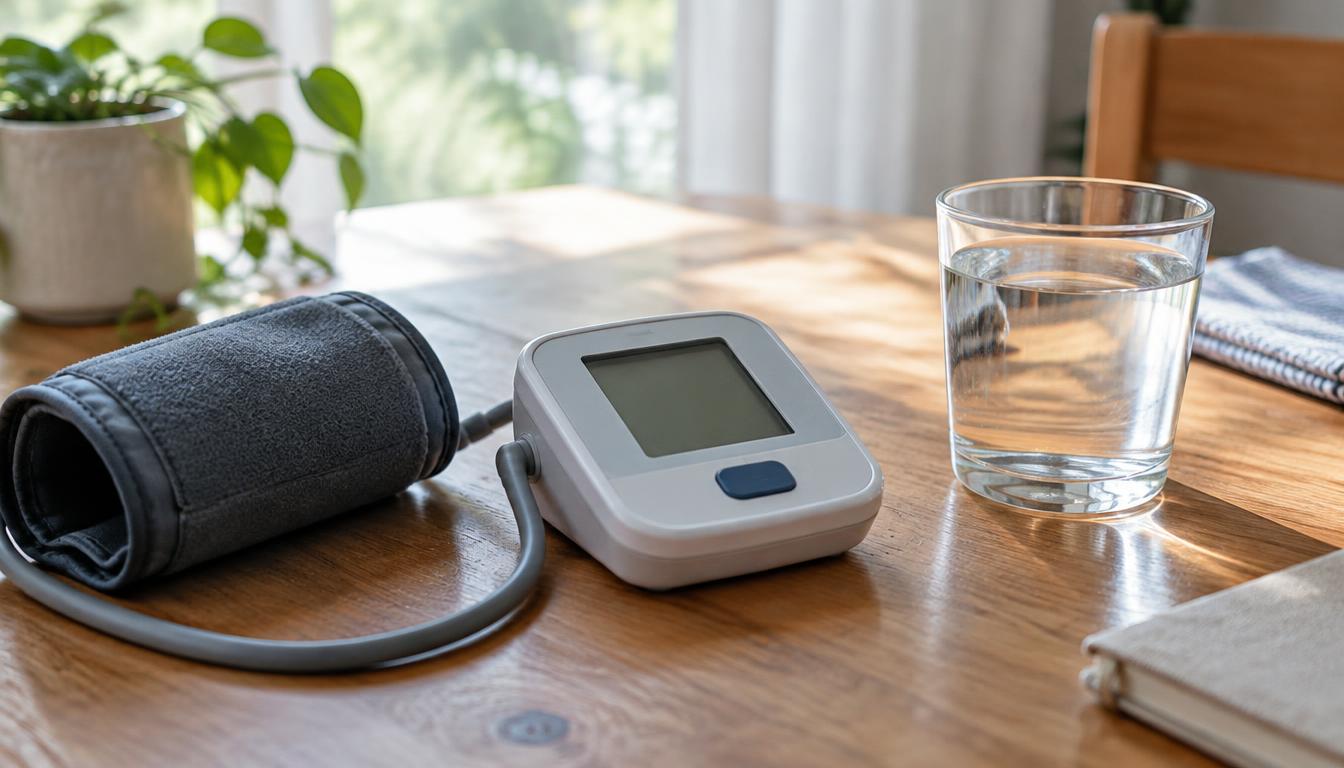

High blood pressure is often called a silent condition because it can go years without noticeable symptoms while still affecting the heart, kidneys, and blood vessels. For a VA disability claim, having hypertension is only the first part of the analysis. The evidence must also connect the condition to military service or to an already service-connected disability.
This guide explains how service connection for hypertension works, what the VA looks for in the record, and how direct, presumptive, and secondary theories differ. The rest of this series covers hypertension ratings under Diagnostic Code 7101, secondary connection to PTSD, sleep apnea, and diabetes, the hypertension DBQ, and the evidence that supports a claim.
What the VA means by hypertension
For rating purposes, the VA uses specific definitions. Under 38 CFR 4.104, the term hypertension means diastolic blood pressure is predominantly 90 millimeters or greater, and isolated systolic hypertension means systolic blood pressure is predominantly 160 millimeters or greater with a diastolic pressure of less than 90.
The same regulation requires that hypertension be confirmed by readings taken two or more times on at least three different days. That requirement is one of the most common reasons an otherwise reasonable claim runs into trouble: the treatment record may show elevated readings without the documentation pattern the regulation calls for.
The three elements of direct service connection
A direct hypertension claim generally needs three elements. Blood pressure readings recorded during service - including at enlistment, periodic physicals, and separation - often become the central evidence.
- A current diagnosis of hypertension
- An in-service event, injury, exposure, or documented onset of elevated blood pressure
- A medical nexus connecting the current condition to military service
Chronic disease presumption within one year
Hypertension is included among the chronic diseases listed in 38 CFR 3.309(a). When a listed chronic disease becomes manifest to a degree of 10 percent or more within one year of separation from qualifying service, it may be presumed service connected under 38 CFR 3.307, even without evidence of the condition during service itself.
This makes post-separation records from that first year unusually important. Readings taken at a VA enrollment exam, an employer physical, or a civilian doctor's visit shortly after discharge can be the deciding evidence.
Where veterans start
Every case is different, and there is no obligation at any step. When veterans want to understand what their records actually support, these are the two most common starting points:
- Medical records review
A licensed physician reviews your records for a $250 flat fee and identifies which conditions the available evidence may support. The fee is refunded in full if nothing supportable is identified.
- Nexus letter
When the records support one, a licensed provider writes the medical opinion that addresses the link between your blood pressure condition and your service or an already service-connected disability.
Exposure-based presumptions
The VA maintains lists of conditions presumptively associated with certain exposures, and those lists have been expanded in recent years under the PACT Act. Because effective dates and qualifying service periods change, veterans should check the current presumptive lists on VA.gov rather than rely on older summaries.
A presumption, when it applies, removes the need to prove the nexus element - but the veteran still needs a current diagnosis and qualifying service.
Secondary service connection for hypertension
Under 38 CFR 3.310, a condition caused or aggravated by an already service-connected disability can itself be service connected. Hypertension is frequently claimed secondary to PTSD and other mental health conditions, obstructive sleep apnea, and diabetes mellitus.
Causation and aggravation are separate medical questions, and neither is automatic. A complete opinion identifies the claimed pathway, explains the mechanism, addresses competing risk factors such as family history and weight, and applies the evidence to the individual veteran's record. When the theory is aggravation, the opinion should also describe the baseline level of the condition before the service-connected disability affected it.
How hypertension is rated
Diagnostic Code 7101 assigns 10, 20, 40, or 60 percent based on diastolic and systolic readings. Many veterans whose blood pressure is well controlled on medication receive 10 percent under the minimum-rating provision. The VA also evaluates hypertension separately from other cardiovascular conditions rather than folding it into them. Our hypertension ratings guide walks through each level.
What a strong hypertension nexus opinion should do
A useful medical opinion does more than restate a diagnosis. It reviews service and post-service readings, identifies the claimed pathway, considers competing causes, explains the medical mechanism, and reaches a conclusion under the VA's “at least as likely as not” standard when the evidence supports one.
Patriot NEXUS Letters provides independent medical evidence, not legal representation or claim filing. A paid medical records review can determine whether the available evidence supports a medically defensible opinion before a nexus letter is ordered.
Frequently asked questions
Is high blood pressure a VA disability?
Hypertension can be service connected, but a diagnosis alone does not establish it. The evidence must show the condition began in service, was aggravated by service, is presumptively related to a qualifying exposure, or was caused or aggravated by an already service-connected condition.
What VA rating is given for hypertension?
Hypertension is rated under 38 CFR 4.104, Diagnostic Code 7101, at 10, 20, 40, or 60 percent based on diastolic and systolic readings, with a minimum 10 percent where a history of diastolic pressure predominantly 100 or more requires continuous medication for control.
Can hypertension be service connected secondary to another condition?
Yes. Under 38 CFR 3.310, hypertension caused or aggravated by an already service-connected disability - such as PTSD, sleep apnea, or diabetes - can be service connected on a secondary basis when the medical evidence supports the link.
How does the VA confirm a hypertension diagnosis?
38 CFR 4.104 provides that hypertension must be confirmed by readings taken two or more times on at least three different days. A single elevated reading is generally not enough.