

Once the VA grants service connection for sleep apnea, the next question is the rating: how the VA measures the severity of the condition under its rating schedule. The rating percentage matters because it determines the monthly compensation amount, and for sleep apnea it follows a specific set of criteria rather than a judgment call.
This guide explains the four rating levels the VA currently uses for sleep apnea, what kind of evidence typically supports each level, and why a strong rating and a strong service-connection case are two different things.
How the VA rates sleep apnea
The VA rates sleep apnea under 38 CFR 4.97, Diagnostic Code 6847 - the same code used for all sleep apnea syndromes, whether obstructive, central, or mixed. The schedule assigns a rating of 0, 30, 50, or 100 percent based on the symptoms and the treatment required. There is no 10 or 20 percent level for this condition.
The VA has proposed revisions to the sleep apnea rating criteria in the past, but until a final rule takes effect, the criteria below are the ones in use. Confirm the rules in effect when your claim is decided.
- 0%: documented sleep-disordered breathing without symptoms
- 30%: persistent daytime hypersomnolence
- 50%: requires a breathing-assistance device such as a CPAP machine
- 100%: chronic respiratory failure with carbon dioxide retention or cor pulmonale, or requires a tracheostomy
0%: asymptomatic, but service-connected
A 0 percent rating means the VA agrees your sleep apnea is connected to service, but it currently produces no symptoms under the rating criteria. A noncompensable rating still has value: it establishes service connection, preserves the ability to seek an increased rating if the condition worsens, and can matter for other benefits such as VA health care eligibility.
30%: persistent daytime hypersomnolence
The 30 percent level applies when the condition causes persistent daytime hypersomnolence - ongoing excessive sleepiness during waking hours. Because the criterion is symptom-based, the evidence that matters most is documentation of how the condition affects you during the day.
- Medical records noting fatigue, excessive daytime sleepiness, or trouble concentrating
- Your own statements describing how daytime sleepiness affects work and daily life
- Statements from family members or coworkers who have observed the symptoms
- Sleep study results consistent with the diagnosis
50%: when a CPAP is required
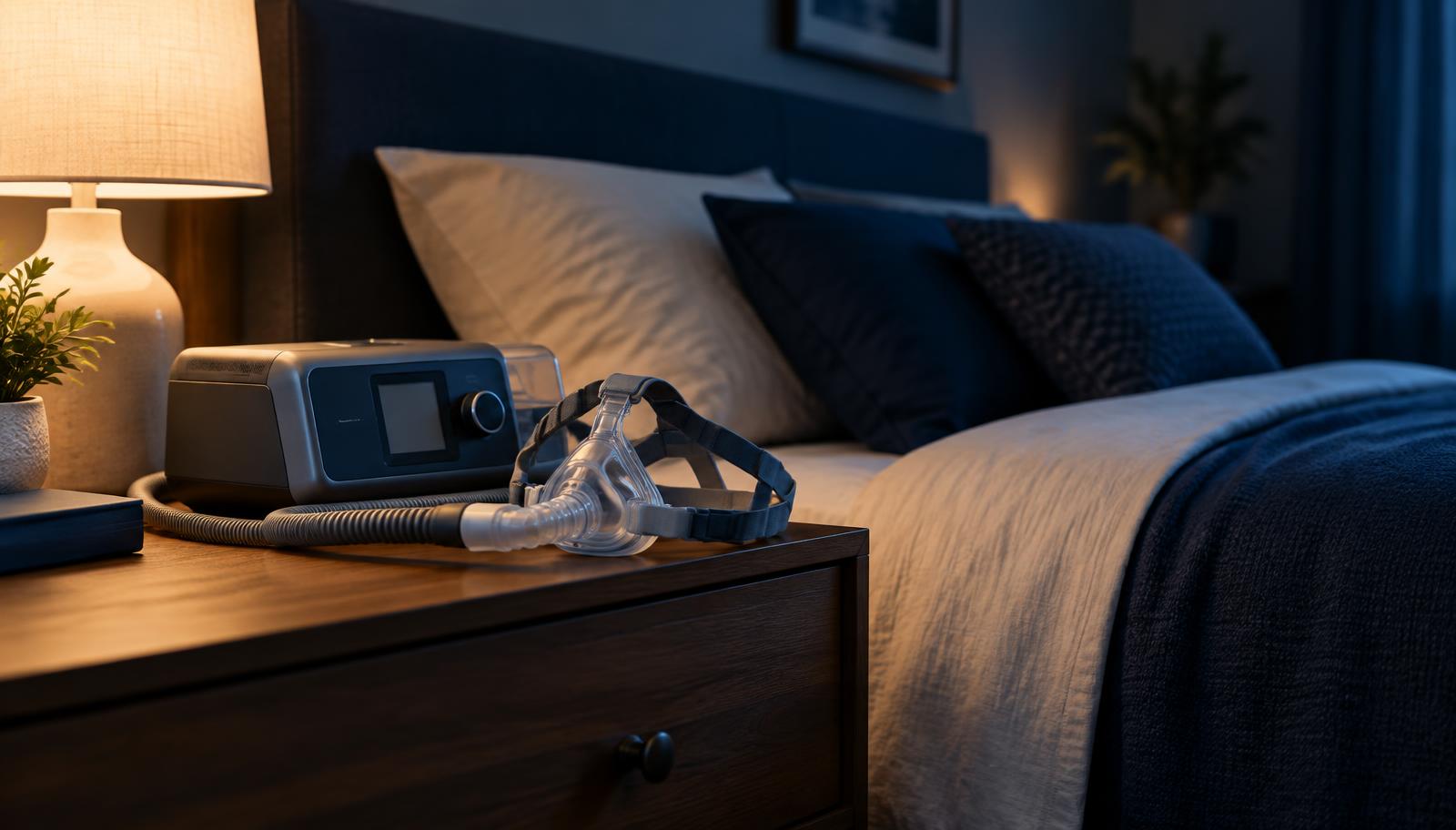
The 50 percent rating applies when the use of a breathing-assistance device is required - most commonly a CPAP prescribed by a medical provider. Under the current criteria, the prescription itself is the key fact. The schedule does not grade 50 percent on symptom severity; it grades it on the treatment required.
This is why the wording of your medical records matters. Records should clearly reflect that a provider prescribed the device because the sleep apnea requires it. A machine purchased without a prescription, or a trial recommended but never prescribed, is not the same evidence.
Where veterans start
Every case is different, and there is no obligation at any step. When veterans want to understand what their records actually support, these are the two most common starting points:
- Medical records review
A licensed physician reviews your records for a $250 flat fee and identifies which conditions the available evidence may support. The fee is refunded in full if nothing supportable is identified.
- Nexus letter
When the records support one, a licensed provider writes the medical opinion that addresses the link between your condition and your service.
100%: the highest level
The 100 percent rating is reserved for the most severe cases: chronic respiratory failure with carbon dioxide retention or cor pulmonale (strain on the right side of the heart caused by lung disease), or cases requiring a tracheostomy. These outcomes are uncommon, and the rating requires medical evidence documenting them.
The rating and the connection are separate questions
A frequent source of confusion: the VA decides whether sleep apnea is connected to service and how severely to rate it as two separate steps. A 50 percent level of severity does not help a claim that lacks a medical connection to service, and a well-connected claim can still be rated at 0 percent if the criteria for a higher level are not documented.
That is why the evidence for each question is different. Service connection turns on a reasoned medical opinion linking the condition to service or to a service-connected disability. The rating turns on what the current medical records document about symptoms and required treatment.
How sleep apnea combines with other ratings
If you have other service-connected disabilities, the VA does not add percentages. It uses a combined-ratings method in which each rating applies to the remaining efficiency - so a 50 percent sleep apnea rating combined with a 50 percent rating for another condition does not produce 100. Our VA disability rating calculator can help you see how the combined math applies to your own ratings.
Where medical evidence fits
Whether the question is the connection or the rating, the outcome rests on what the medical record actually supports. Our guide to the medical evidence behind a sleep apnea claim covers what to gather. A paid medical records review can help determine whether the available evidence supports a medically defensible opinion before a nexus letter is ordered - and a qualified provider's opinion must be grounded in your records, your diagnosis, and your treatment history, not assumptions.
Patriot NEXUS Letters provides independent medical evidence, not legal representation or claim filing. We do not guarantee a rating or a claim outcome, and we cannot help with every condition or every case.
Frequently asked questions
What is the highest VA rating for sleep apnea?
One hundred percent. Under the current criteria in Diagnostic Code 6847, that level is reserved for chronic respiratory failure with carbon dioxide retention, cor pulmonale, or a tracheostomy.
Does using a CPAP machine guarantee a 50 percent rating?
The 50 percent criterion applies when the condition requires the use of a breathing-assistance device such as a CPAP machine - but the rating also depends on the condition being service connected and on how the criteria apply to your specific record. A prescription alone does not set the rating.
Is there a 10 or 20 percent rating for sleep apnea?
No. The current criteria under Diagnostic Code 6847 provide ratings of 0, 30, 50, and 100 percent only.
Can sleep apnea ratings change?
Yes. Rating criteria can be amended, and evaluations can be re-examined if the condition changes. The VA has proposed revisions to the sleep apnea criteria before; our guide to the proposed rating changes explains what is and is not final.