

Every VA disability decision is, at bottom, a decision about medical evidence. The VA's evidence page lists the categories, and the duty to assist in 38 CFR 3.159 governs how the evidence gets into the file. This guide explains how the pieces fit together.
The categories of medical evidence
The VA's file on a claim typically holds four kinds of medical evidence:
- Service treatment records - what was documented during service
- Treatment records, VA and private - the diagnosis and the history of the condition since
- The C&P exam report - the VA's own examination, ordered when the file needs more medical information
- Medical opinions - from treating clinicians or independent reviewers, stating and supporting conclusions about cause and connection
How the rater weighs them
The rater does not count documents; the rater weighs them. An opinion that reviews the relevant records, identifies the diagnosis, and explains the medical reasoning carries more weight than one that asserts a conclusion without support. That is true for the VA's own exam reports and for private opinions alike.
When evidence on a point is in approximate balance, the regulation gives the veteran the benefit of the doubt - which is why a well-supported opinion can change the outcome of a claim that was previously denied.
Where veterans start
Every case is different, and there is no obligation at any step. When veterans want to understand what their records actually support, these are the two most common starting points:
- Medical records review
A licensed physician reviews your records for a $250 flat fee and identifies which conditions the available evidence may support. The fee is refunded in full if nothing supportable is identified.
- Nexus letter
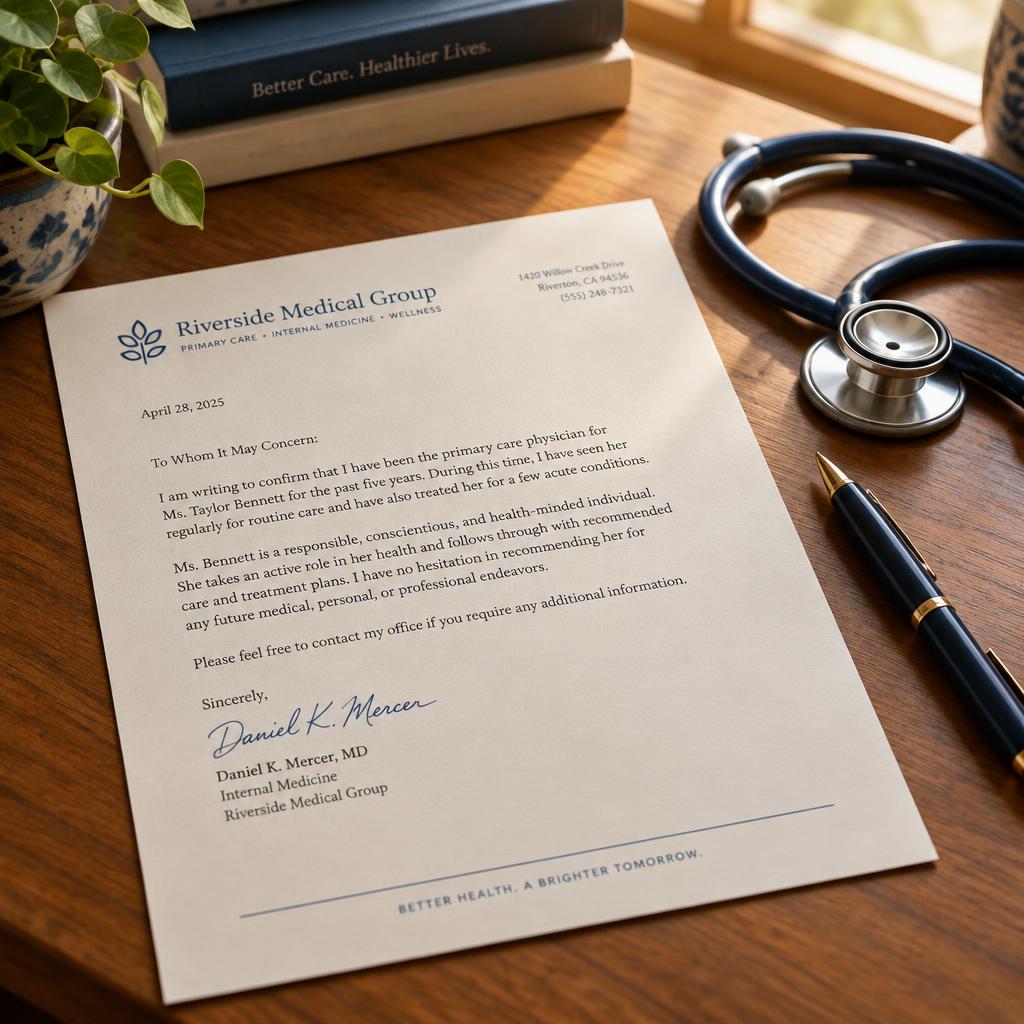
When the records support one, a licensed provider writes the medical opinion that addresses the link between your condition and your service.
The element most often missing
Denials for medical reasons usually name one of three gaps, matching the elements in our evidence requirements guide: no current diagnosis, no documented in-service event, or no link between them. The link - the nexus - is the gap an independent medical opinion is built to address, because stating that link is exactly what a nexus letter is. Our claims basics series covers what a nexus letter contains and when it matters.
When a denial names a missing element, the Supplemental Claim lane is how new medical evidence enters the record.
Where this fits in the process
Medical evidence enters at filing, during the VA's development of the claim, and again in any decision review. The step-by-step claim process guide maps each of those points.
This guide is educational. It summarizes the VA's own published rules and links to the exact sources it relies on. It is not legal or claims advice, and it is not a substitute for an accredited representative, who can advise you about your specific claim. Accredited help is free - search the VA's accreditation database to find a Veterans Service Organization, accredited agent, or attorney.
Frequently asked questions
What medical evidence does the VA accept?
Per the VA: VA and private treatment records, service treatment records, C&P exam reports, and medical opinions from qualified clinicians, including independent opinions such as nexus letters. The rater weighs all of it together under the standard of proof in the regulations.
Is a C&P exam the only medical opinion the VA considers?
No. The VA must consider all competent medical evidence of record, which includes independent medical opinions you submit. A private opinion that reviews the records and explains its reasoning is evidence the rater has to address.
Why do claims get denied for medical reasons?
Most medical denials come down to a missing element: no current diagnosis in the record, no documented in-service event, or no medical link between them. The third - the nexus - is the most common gap, because it requires a clinician to state and support an opinion.