
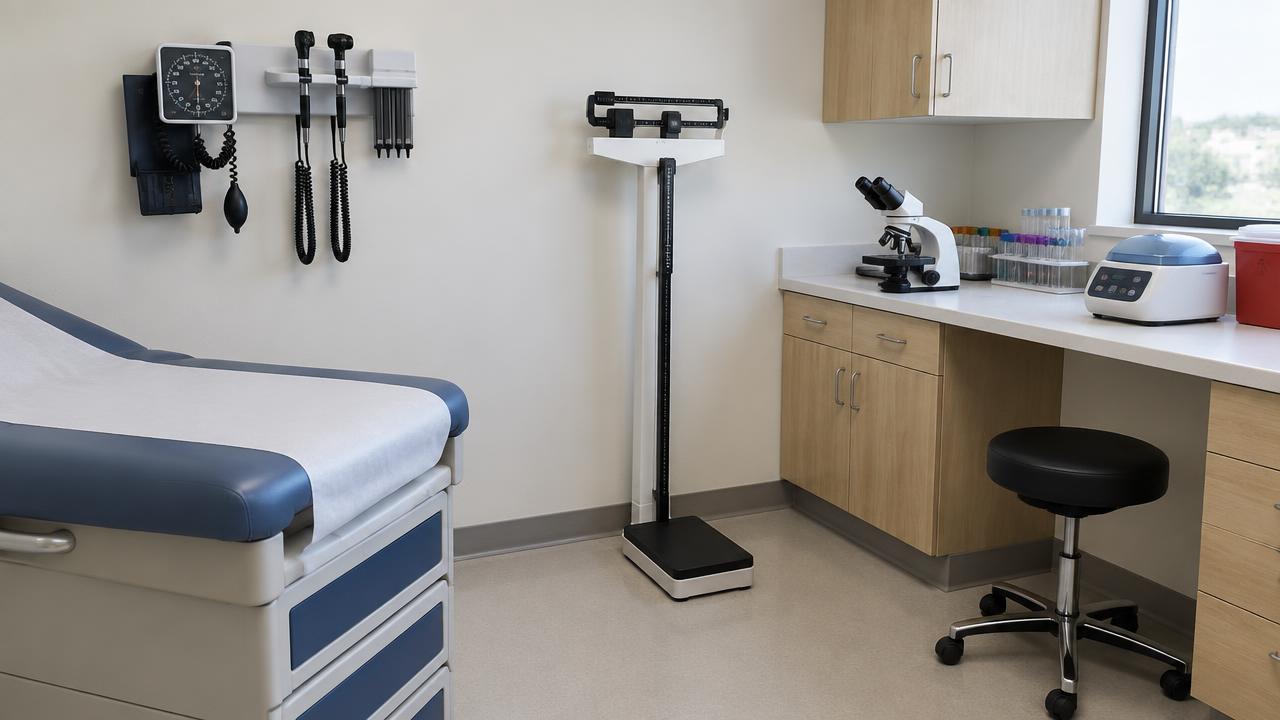

The claim exam for diabetes is mostly an interview with a structure - the examiner works through VA Form 21-0960C-3, the diabetes mellitus disability benefits questionnaire, and everything on that form feeds the rating. Knowing what the form asks keeps the interview from underselling your condition.
Treatment history
The examiner documents how the diabetes is managed: diet alone, oral medications, insulin, or combinations. The treatment ladder is the spine of Diagnostic Code 7913 - our rating guide shows how management intensity sets the percentage - so the answer here matters more than most veterans expect.
Answer with the current regimen exactly as prescribed, not as you follow it on good weeks. If your regimen is insulin plus restricted diet plus activity regulation, say all three parts, and say why - the restrictions are the criteria, not decoration.
Episodes
Expect questions about episodes of ketoacidosis and hypoglycemic reactions: how often, how severe, whether emergency care was needed. The frequency drives the higher percentages, and the file evidence is emergency room and hospital records.
This is the question area where preparation matters most. Count your episodes over the past year before the exam - the ones you treated at home and the ones that sent you in. Veterans systematically undercount because they normalize the severe swings.
Where veterans start
Every case is different, and there is no obligation at any step. When veterans want to understand what their records actually support, these are the two most common starting points:
- Medical records review
A licensed physician reviews your records for a $250 flat fee and identifies which conditions the available evidence may support. The fee is refunded in full if nothing supportable is identified.
- Nexus letter
When the records support one, a licensed provider writes the medical opinion that addresses the link between your condition and your service or an already service-connected disability.
Complications screening
The form covers the major complications: neuropathy symptoms, kidney problems, eye disease, cardiovascular history, skin and foot problems. Each one you report should have a paper trail somewhere, and each one you report but that has never been evaluated is a gap the exam will not fill on its own.
If you have symptoms that no provider has ever documented - the burning feet, the numb fingers - the exam records them, but a prior clinical evaluation carries far more weight. Our complications guide explains how each one is rated.
How to keep the exam accurate
The same principle applies here as at every claim exam: describe your bad days honestly, not your best moments. A well-managed good week tells the examiner nothing about the hypoglycemic episode at two in the morning or the dinner you cannot schedule because of the insulin timing.
Bring your records: the current medication list, recent A1C results, and any private evaluations. The VA's own claim exam page lists what to bring.
After the exam
The DBQ goes to the rater with the treatment ladder, the episode count, and the complications. If the report records the insulin but not the activity restrictions, or the diabetes but not the neuropathy you reported, that is the kind of gap a medical records review identifies. When the rating lands lower than the evidence supports, our guide on why VA claims get denied helps identify what to fix.