
Guide series
Hearing Loss: Complete VA Claims Guide Series
Plain-English guides to VA hearing loss claims: how hearing loss is service connected, how the VA rates it under 38 CFR 4.85 through 4.87, the Maryland CNR formula, what the hearing C&P exam measures, proving noise exposure and acoustic trauma, ototoxic medications, hearing aids, the evidence a claim file needs, and how VA hearing care differs from disability compensation.
Overview
Start here: hearing loss basics.
Hearing loss is one of the most common disabilities among veterans, and one of the most commonly underrated at the same time. Years of engine rooms, flight lines, generators, weapons ranges, and loud vehicles add up, and by the time a veteran notices that the family has to repeat itself, the damage is permanent.
The VA rates hearing loss under 38 CFR 4.85 through 4.87, and the criteria are unusually numeric. They turn on pure tone thresholds and word recognition scores from an audiogram, not on how hard daily conversation has become. A veteran who struggles at every dinner table can still receive a low percentage unless the audiometric findings cross specific thresholds.
These guides walk through the rating formula, the service connection paths including noise exposure and ototoxic medications, the C&P exam, and the evidence that holds a hearing claim together.
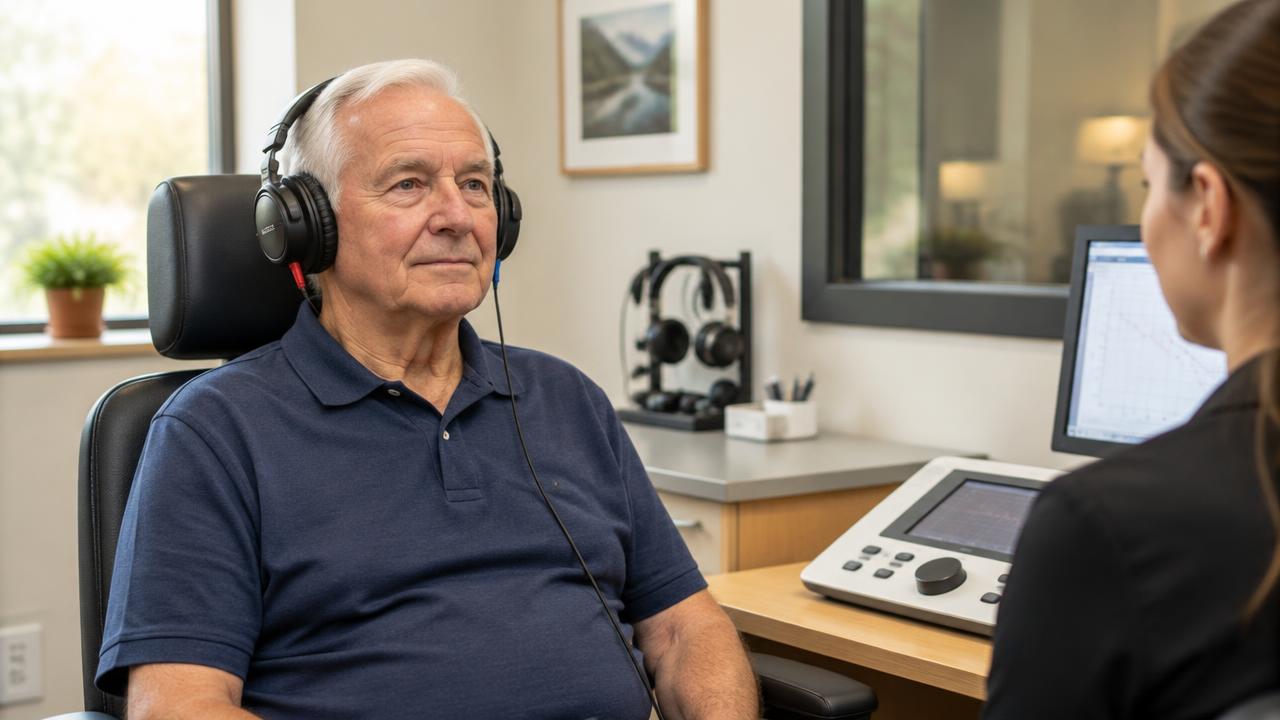
Hearing Loss and VA Disability: How Service Connection Works
How veterans get hearing loss service connected, how the VA rates it under 38 CFR 4.85 through 4.87 with pure tone thresholds and word recognition scores, the noise exposure and secondary paths, and where an independent medical opinion fits.
Read the main guideIn this series
Go deeper on your situation.
 10 min read
Hearing Loss VA Rating: How the VA Rates Your Ears
A plain-English walk through Diagnostic Code 6100: pure tone thresholds at 500 through 4,000 Hz, the Maryland CNR formula, word recognition scores, why so many veterans receive 0 percent, and what the audiogram has to show.
Read article 8 min read
The Hearing Loss C&P Exam: What Gets Measured
What happens at a VA claim exam for hearing loss: the audiometric booth testing, pure tone thresholds, word recognition lists, what the examiner records, and how to keep the exam accurate.
Read article 9 min read
Proving Noise Exposure: Acoustic Trauma and In-Service Hearing Loss
How the in-service element of a hearing loss claim is proven: duty MOS noise exposure listings, entry and separation audiograms, acoustic trauma events, and what to do when service records show no hearing complaints.
Read article 8 min read
Ototoxic Hearing Loss: When Medications Damage Your Hearing
How certain medications damage the inner ear, when hearing loss from treatment for a service-connected condition is claimable as secondary service connection, and what the medical opinion has to establish.
Read article 6 min read
Hearing Aids and VA Disability: What They Do and Don't Change
Whether hearing aids affect a VA hearing loss rating, why the rating is based on unaided audiometric findings, and how VA audiology care differs from disability compensation.
Read article 8 min read
Hearing Loss Claim Evidence: What Belongs in the File
The evidence a hearing loss claim file needs: current audiograms with word recognition scores, duty MOS and noise exposure records, buddy statements, private audiology records, and a reasoned medical opinion when the link is contested.
Read article 7 min read
VA Hearing Care vs Disability Compensation: The Difference
Eligibility for VA audiology care and hearing aids is a separate system from disability compensation. How each works, who qualifies, and why a rating does not guarantee treatment or the reverse.
Read article
Guides on Hearing Loss
You have taken the first step - keep going.
You now know more about hearing loss than most veterans filing a claim. When you are ready to see what your records support, phone discussions are always free.