
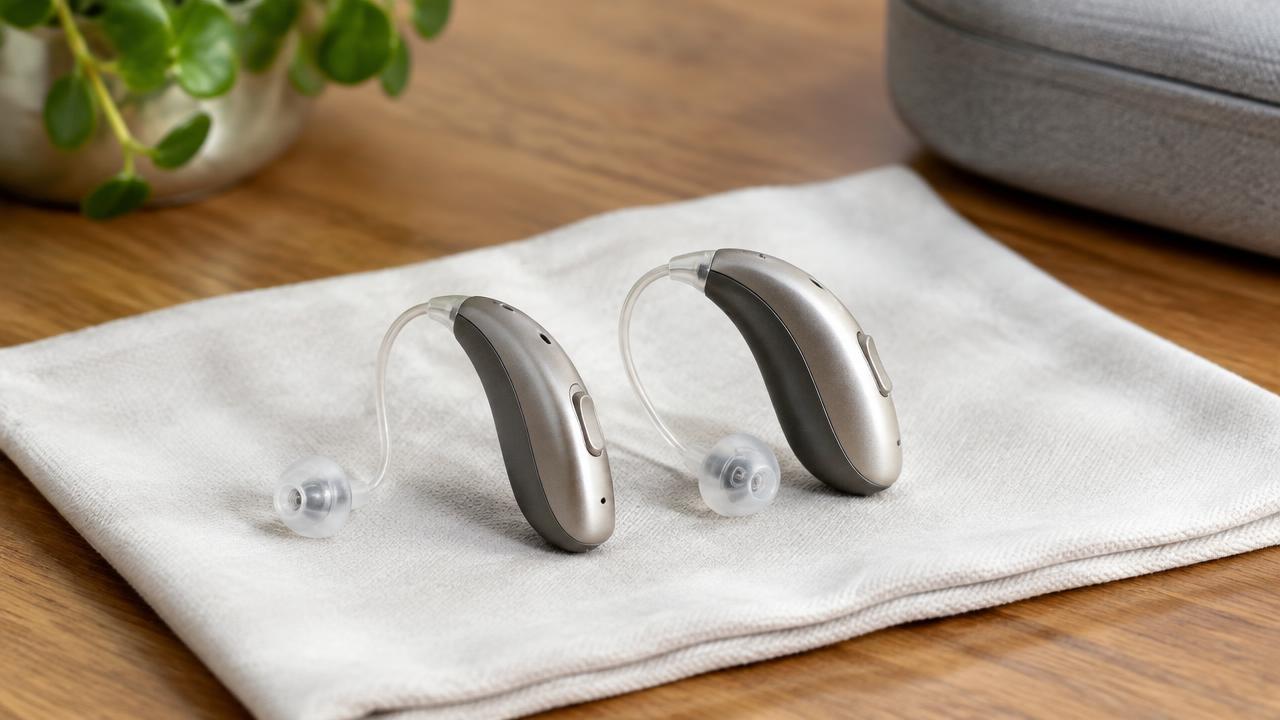

Few questions come up more often in hearing claims than this one: if I get hearing aids, will it hurt my rating? The answer is no, and understanding why requires knowing what the rating is actually built from.
The rating comes from unaided hearing
The tables in 38 CFR 4.85 apply to your hearing without amplification. Pure tone thresholds and word recognition are measured on the ear itself, not the ear-plus-device system, and hearing aid use neither reduces the percentage nor disqualifies a claim.
The reverse misconception - that refusing hearing aids protects a rating - is equally wrong. Declining treatment changes nothing about the audiometric numbers, and it does nothing positive for the claim.
What hearing aids actually change
What hearing aids change is your life, not your file. They restore function, which matters for work, family, and safety, and they slow the social withdrawal that untreated hearing loss drives. Some veterans worry that functioning well contradicts the claim - it does not. The disability is the underlying loss; the aid is correction, not cure.
If anything, a documented hearing aid fitting is additional evidence that a licensed provider found the loss significant enough to treat.
VA hearing care versus compensation
Eligibility for VA audiology care and hearing aids, and eligibility for disability compensation, are separate systems with separate rules. Many veterans qualify for one and not the other, or for both, and confusing them leads to missed benefits in both directions. Our VA hearing care guide walks through the difference.
Where the real work happens
The questions that decide a hearing claim are service connection and the audiometric findings, and both live in the file rather than in the devices. Our rating guide covers the formula, the noise exposure guide covers the in-service element, and a medical records review is where veterans start when they want to know what their records support before filing.