
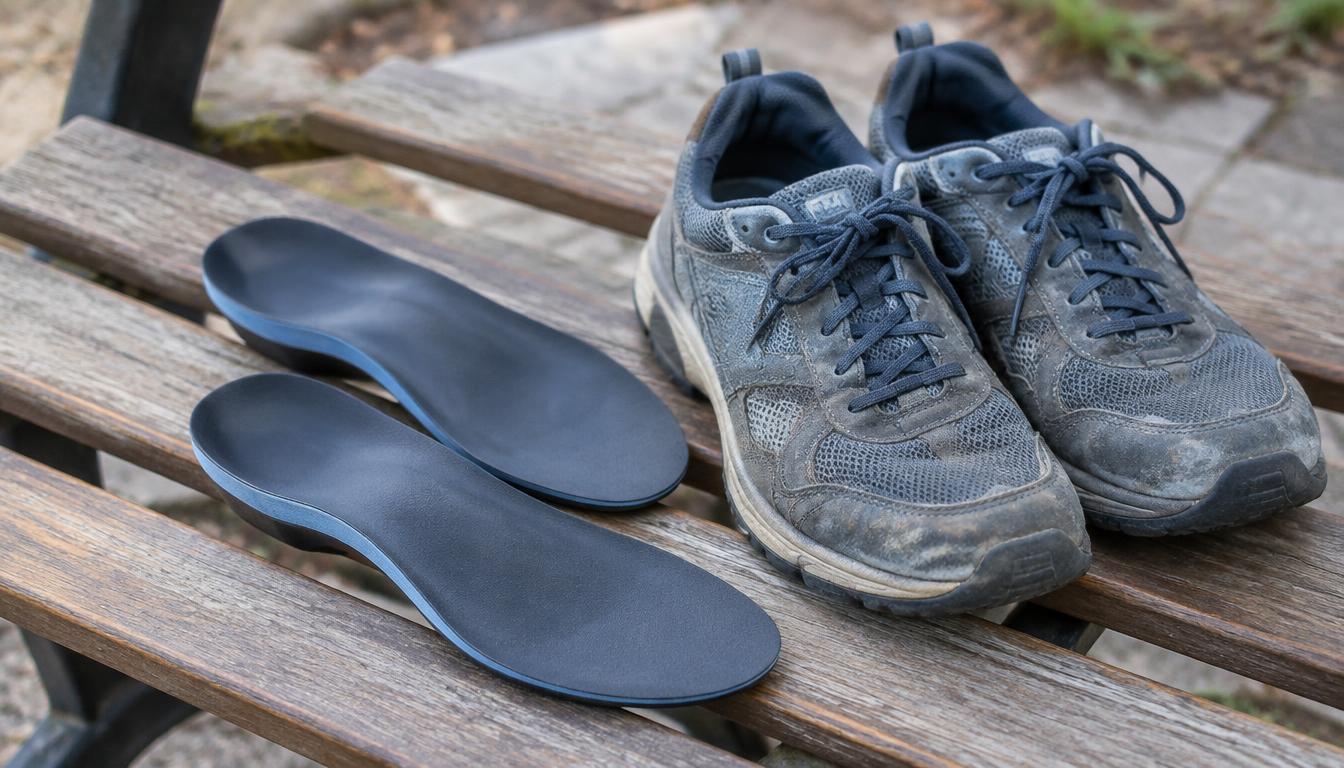

Flat feet are among the most commonly noted conditions on military entrance examinations and among the most commonly misunderstood VA claims. Acquired flatfoot is rated under Diagnostic Code 5276 in 38 CFR 4.71a, on a scale that runs from 0 to 50 percent. For how these claims are decided, see our foot conditions service connection overview.
The rating levels
Diagnostic Code 5276 grades severity by findings and by whether both feet are involved:
- 50 percent - pronounced bilateral flatfoot: marked pronation, extreme tenderness of the plantar surfaces, marked inward displacement and spasm of the Achilles tendon on manipulation, not improved by orthopedic shoes or appliances
- 30 percent - pronounced unilateral flatfoot with the same findings, or severe bilateral flatfoot
- 20 percent - severe unilateral flatfoot: objective evidence of marked deformity, pain on manipulation and use accentuated, swelling on use, characteristic callosities
- 10 percent - moderate flatfoot, one or both feet: weight-bearing line over or medial to the great toe, inward bowing of the Achilles tendon, pain on manipulation and use
- 0 percent - mild flatfoot with symptoms relieved by a built-up shoe or arch support
The findings the criteria actually turn on
Notice what the criteria ask for: objective findings an examiner records during the examination - the weight-bearing line, tenderness on manipulation, callosities, Achilles alignment, and whether appliances help. This is unusual in the rating schedule, which more often measures degrees of motion, and it makes the examination itself unusually decisive.
It also means a veteran should describe function in concrete terms during the examination rather than answering that things are fine on a good day. What happens after two hours on the feet, whether orthotics were tried and what they changed, and what the pain does by evening are all facts the criteria reward.
Where veterans start
Every case is different, and there is no obligation at any step. When veterans want to understand what their records actually support, these are the two most common starting points:
- Medical records review
A licensed physician reviews your records for a $250 flat fee and identifies which foot and ankle conditions the available evidence may support. The fee is refunded in full if nothing supportable is identified.
- Nexus letter
When the records support one, a licensed provider writes the medical opinion that addresses the link between your foot or ankle condition and your service or an already service-connected disability.
Pre-existing flat feet and aggravation
When flat feet were noted at entrance, the claim shifts to aggravation under 38 CFR 3.306: was the condition permanently worsened by service beyond its natural progression? Marching under load in unsupportive footwear is a plausible mechanism for exactly that, and the comparison between entrance findings, separation findings, and post-service progression is the evidence.
Where the entrance examination was silent, the presumption of soundness in 38 CFR 3.304(b) applies, and the condition is treated as having begun in service unless clear and unmistakable evidence shows otherwise.
How flat feet interact with other conditions
Collapsed arches change the mechanics of everything above them. Flatfoot commonly appears alongside plantar fasciitis, and it is a recognized contributor to ankle, knee, hip, and low back complaints - which is why altered-gait theories run through this site in both directions. See foot conditions secondary to knee and back and back pain secondary to knee conditions.
Separate ratings for separate diagnoses of the same foot are allowed when the symptoms are distinct; 38 CFR 4.14 prohibits compensating the same symptom twice under different codes.
What to do with a low evaluation
A 0 or 10 percent evaluation that does not match a veteran's daily function is usually an evidence problem - an examination that captured the foot at rest rather than after use. Documentation of treatment attempts, a personal statement describing function across a working day (our personal statement guide covers how), and lay statements from people who see the limitation are the pieces that change the picture.
When the link to service is what the VA disputed rather than the severity, that is a different problem with a different answer: a medical records review to see what the file supports, then a nexus letter if the records support one.