
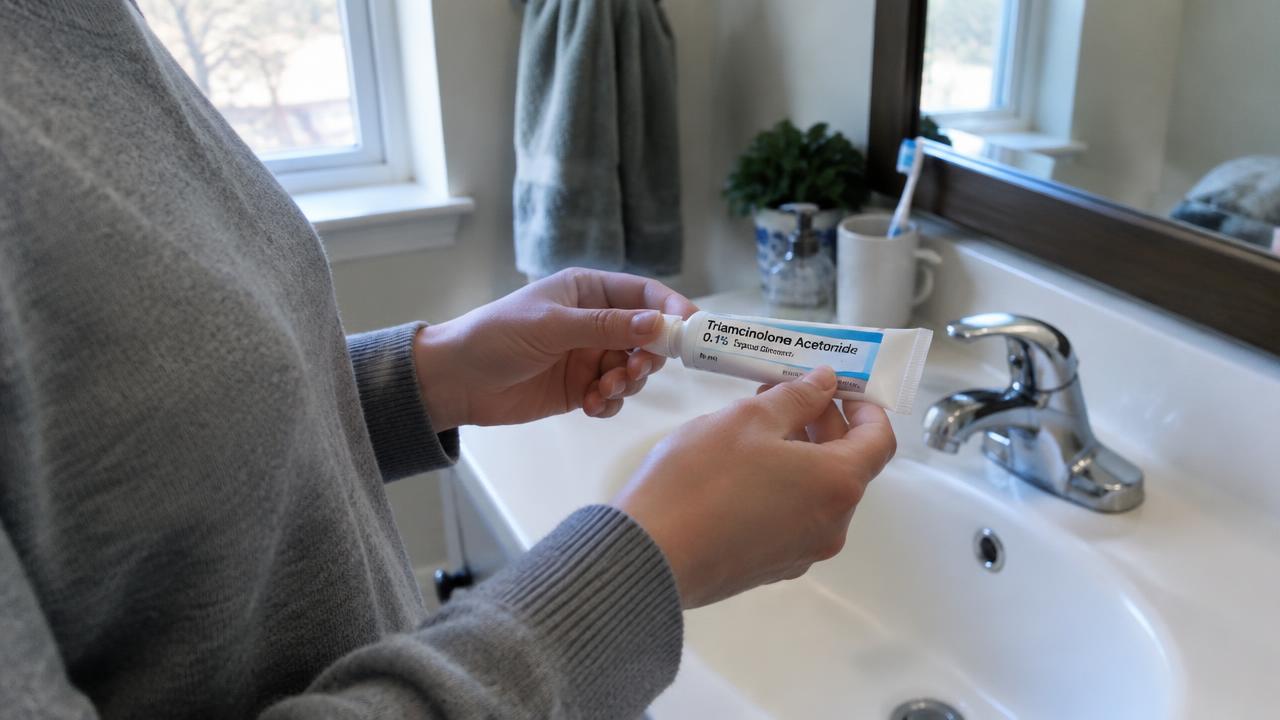

Psoriasis is an immune-mediated condition, not simply dry skin. Plaques form where skin cells turn over far too quickly, most often on the elbows, knees, scalp, and lower back, and the disease runs in cycles that stress, infection, injury, and certain medications can set off.
For VA purposes, psoriasis is rated under Diagnostic Code 7816 in 38 CFR 4.118, using the same coverage-and-treatment framework that applies to dermatitis under Diagnostic Code 7806.
How Diagnostic Code 7816 works
The code evaluates the percentage of the entire body affected, the percentage of exposed areas affected, and the systemic therapy the condition required over the prior 12-month period, and it assigns whichever level is higher. The evaluations run 0, 10, 30, and 60 percent.
Because psoriasis is so often treated systemically, the treatment path frequently produces the higher rating. Oral agents and biologic drugs given by injection or infusion act on the whole body rather than on the skin surface, and constant or near-constant therapy of that kind supports the top evaluation even when plaques are well controlled at the time of the exam.
That last point is worth sitting with. Effective treatment can make the skin look good on exam day while the underlying disease still requires continuous systemic medication. The treatment criteria exist precisely so a well-managed case is not penalized for being well managed.
Psoriatic arthritis is a separate question
A significant share of people with psoriasis develop psoriatic arthritis, which affects the joints rather than the skin. That is not rated under the skin codes. It is evaluated under the musculoskeletal criteria in 38 CFR 4.71a, generally on limitation of motion of the affected joints or under the criteria for the appropriate arthritis code.
Rating both is not pyramiding when the disabling effects are genuinely distinct, since 38 CFR 4.14 bars duplicate compensation for the same effect, not for different ones. Our guides to back, knee, and neck claims cover how joint limitation is measured.
Where veterans start
Every case is different, and there is no obligation at any step. When veterans want to understand what their records actually support, these are the two most common starting points:
- Medical records review
A licensed physician reviews your records for a $250 flat fee and identifies which conditions the available evidence may support. The fee is refunded in full if nothing supportable is identified.
- Nexus letter
When the records support one, a licensed provider writes the medical opinion that addresses the link between your condition and your service or an already service-connected disability.
Service connection for psoriasis
Psoriasis often first appears in early adulthood, which for many veterans means during service. Where service treatment records document plaques, a scalp condition treated with medicated shampoo, or repeated dermatology visits, the direct path under 38 CFR 3.303 is straightforward once a provider connects the current diagnosis to that history.
Where the records are silent, the claim depends on continuity: post-service treatment beginning reasonably close to separation, lay statements from people who saw the plaques, and a medical opinion explaining why the onset is consistent with service. Our pillar guide on skin conditions and service connection covers the framework, and what a nexus letter is explains what the opinion has to contain.
Aggravation and secondary theories
Two other paths matter for psoriasis. Under the aggravation rules, a condition that existed before service but worsened beyond its natural progression during service can be service connected for that worsening. And under 38 CFR 3.310, psoriasis that is aggravated by an already service-connected condition or its treatment can be service connected secondarily.
The stress link is the one veterans most often raise. Where a service-connected mental health condition is medically documented to trigger or worsen flares, that theory belongs in the file with an opinion supporting it. Our mental health series covers the underlying claims, and the secondary skin guide covers how the opinion has to be framed.
Documenting a cyclical disease
Everything in our eczema guide about flare documentation applies with equal force here. Photograph plaques during flares with the date recorded, keep a treatment log, and pull the full prescription history including any biologic infusions, which are often billed separately from pharmacy records.
Before the exam, read the skin C&P exam guide, and use the evidence guide as a checklist.