

Respiratory claims are decided on specifics: an obstruction percentage, an episode count, a medication regimen, a pulmonary function value. Symptoms described in general terms rarely move an evaluation, because the criteria are written in measurements.
This guide lists what to gather. For the underlying rules, see how service connection works for rhinitis, sinusitis, and asthma.
Diagnostic testing
Each condition has a test the criteria depend on:
- Rhinitis - an examination documenting the percentage of nasal obstruction on each side and whether polyps are present, with nasal endoscopy findings where performed
- Sinusitis - imaging confirming the diagnosis, since a 0 percent evaluation applies where sinusitis is detected by imaging only
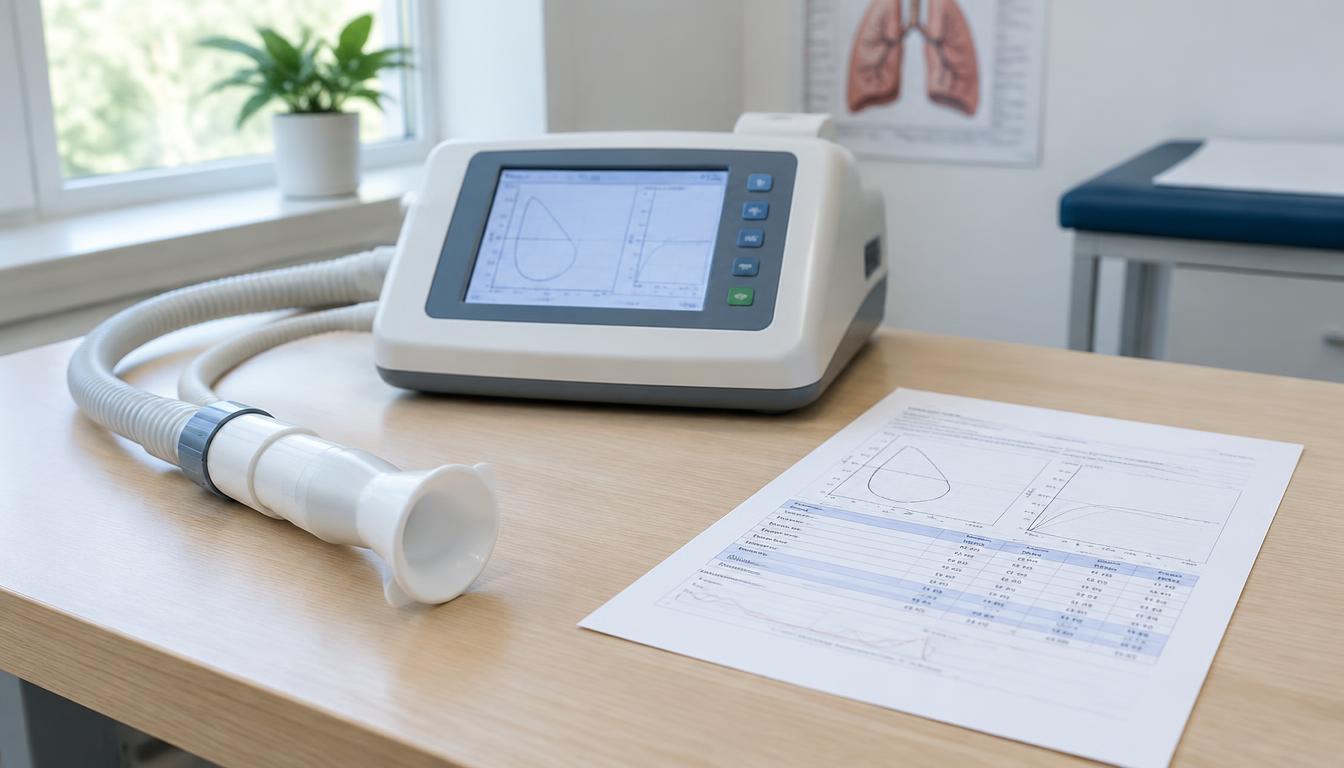
- Asthma - pulmonary function testing with post-bronchodilator values, as required under 38 CFR 4.96(d)
- Allergy testing - skin or specific IgE results identifying the allergens involved, which support the diagnosis and the chronicity
Episode and attack documentation
The sinusitis formula counts episodes, and the asthma criteria count exacerbations requiring physician care or corticosteroid courses. Neither can be counted from memory at an examination.
A dated log recording the start and end of each flare-up, the treatment required, and any days of bed rest gives the examiner and the rater a countable record. Urgent care summaries and hospital discharge notes for attacks belong in the file for the same reason.
Medication history
For asthma, medication is an independent pathway to the 30 and 60 percent evaluations. A pharmacy printout showing daily inhaled corticosteroid use, or three or more courses of oral prednisone in a year, carries direct rating weight.
For rhinitis and sinusitis, the medication record establishes chronicity - that the condition persisted year-round rather than seasonally. See asthma ratings and the C&P exam.
Where veterans start
Every case is different, and there is no obligation at any step. When veterans want to understand what their records actually support, these are the two most common starting points:
- Medical records review
A licensed physician reviews your records for a $250 flat fee and identifies which conditions the available evidence may support. The fee is refunded in full if nothing supportable is identified.
- Nexus letter
When the records support one, a licensed provider writes the medical opinion that addresses the link between your respiratory condition and your service or an already service-connected disability.
Service and exposure records
Service treatment records showing sick call visits for congestion, sinus infections, or breathing problems are the strongest in-service evidence. Where those are silent, deployment orders, personnel records showing locations and dates, and unit histories establish the exposure that supports a presumptive or direct theory.
The Airborne Hazards and Open Burn Pit Registry questionnaire documents exposure history in the veteran's own account. See burn pits, airborne hazards, and the PACT Act.
Lay statements
A veteran is competent to describe what they experienced: congestion that never resolved, breathing through the mouth at night, wheezing on runs, repeated courses of antibiotics from a civilian pharmacy. A spouse can describe snoring, nighttime waking, and rescue inhaler use.
These statements do the most work where treatment records are thin - which is most respiratory claims, because these conditions are usually self-managed.
Continuity between service and now
The gap between discharge and diagnosis is the most common reason these claims are denied. Anything that bridges it helps: civilian primary care notes from the first years after service, over-the-counter purchase history, employer health records, or a statement from someone who lived with the veteran during that period.
Where the medical opinion fits
Once the record is assembled, the remaining question is whether it supports a medical opinion. That determination should be made by a physician reading the file, not assumed.
A paid medical records review is where that starts - a licensed physician reviews what you have and identifies what it may support before a nexus letter is ordered. Related guides: rhinitis and sleep apnea, combining sinusitis and rhinitis ratings, and deviated septum ratings.