
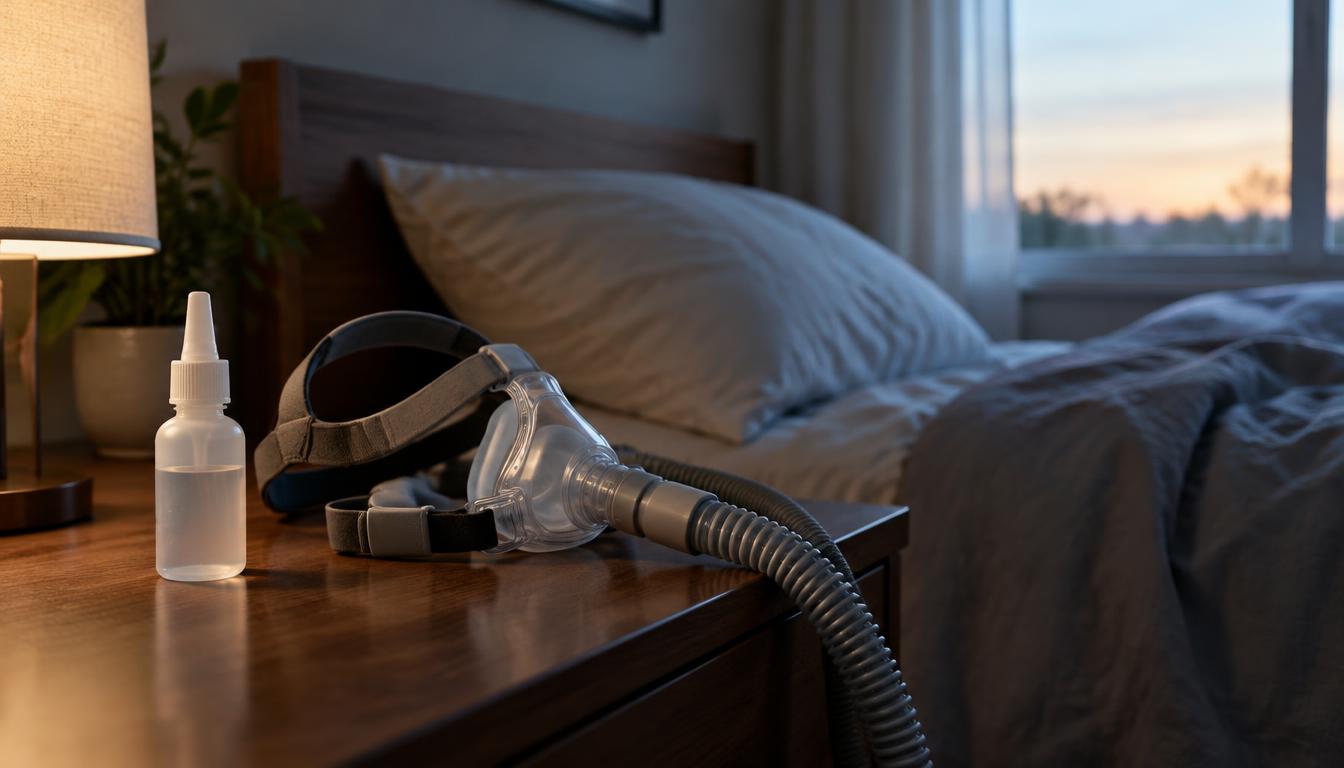

Nasal obstruction and obstructive sleep apnea are linked by simple mechanics: air that cannot pass freely through the nose increases the negative pressure needed to breathe, which promotes collapse of the upper airway during sleep. That relationship is the basis for one of the most frequently filed secondary claims in the VA system.
This guide explains how the theory is evaluated. For the underlying rules, see how service connection works for rhinitis, sinusitis, and asthma.
What 38 CFR 3.310 requires
Secondary service connection requires a current diagnosis of the secondary condition, an already service-connected primary disability, and medical evidence that the primary caused or aggravated the secondary.
The direction matters. A veteran already service connected for rhinitis may claim sleep apnea as secondary; a veteran already service connected for sleep apnea may claim rhinitis as secondary where the evidence supports it. The theory and the opinion have to be written for the direction actually being claimed.
Causation versus aggravation
Causation asks whether the primary condition brought the secondary condition into existence. Aggravation asks whether it made an existing condition permanently worse than its natural progression.
Aggravation claims require a baseline - what the condition looked like before, and what changed. Sleep studies performed at different points, or documented changes in CPAP pressure requirements, are the kind of evidence that establishes it.
What a supportable opinion explains
A rater weighs an opinion on its reasoning. An opinion in this pairing should identify the degree of nasal obstruction documented in the record, explain the physiological mechanism connecting that obstruction to upper airway collapse during sleep, address the veteran's other risk factors rather than ignoring them, and state the conclusion under the at least as likely as not standard.
An opinion that skips the other risk factors is the one most often discounted, because the rater can see them in the file even when the letter does not mention them.
Where veterans start
Every case is different, and there is no obligation at any step. When veterans want to understand what their records actually support, these are the two most common starting points:
- Medical records review
A licensed physician reviews your records for a $250 flat fee and identifies which conditions the available evidence may support. The fee is refunded in full if nothing supportable is identified.
- Nexus letter
When the records support one, a licensed provider writes the medical opinion that addresses the link between your respiratory condition and your service or an already service-connected disability.
The evidence that carries weight
The strongest files in this pairing contain a diagnostic sleep study, an examination documenting the percentage of nasal obstruction on each side, treatment records showing the rhinitis was persistent rather than seasonal, and a spouse or partner statement describing snoring and witnessed pauses in breathing.
Our sleep apnea series covers the sleep apnea side of the claim in full, including sleep apnea secondary to rhinitis.
Deviated septum in the same analysis
Where the obstruction is structural rather than inflammatory, the relevant primary condition may be a deviated nasal septum rather than rhinitis. The mechanism is the same; the diagnostic code and the evidence are different. See deviated septum VA ratings.
Where veterans go from here
Whether this theory is supportable depends entirely on what the records already contain. A paid medical records review identifies that before a nexus letter is written, and our respiratory evidence guide lists what to gather first.