
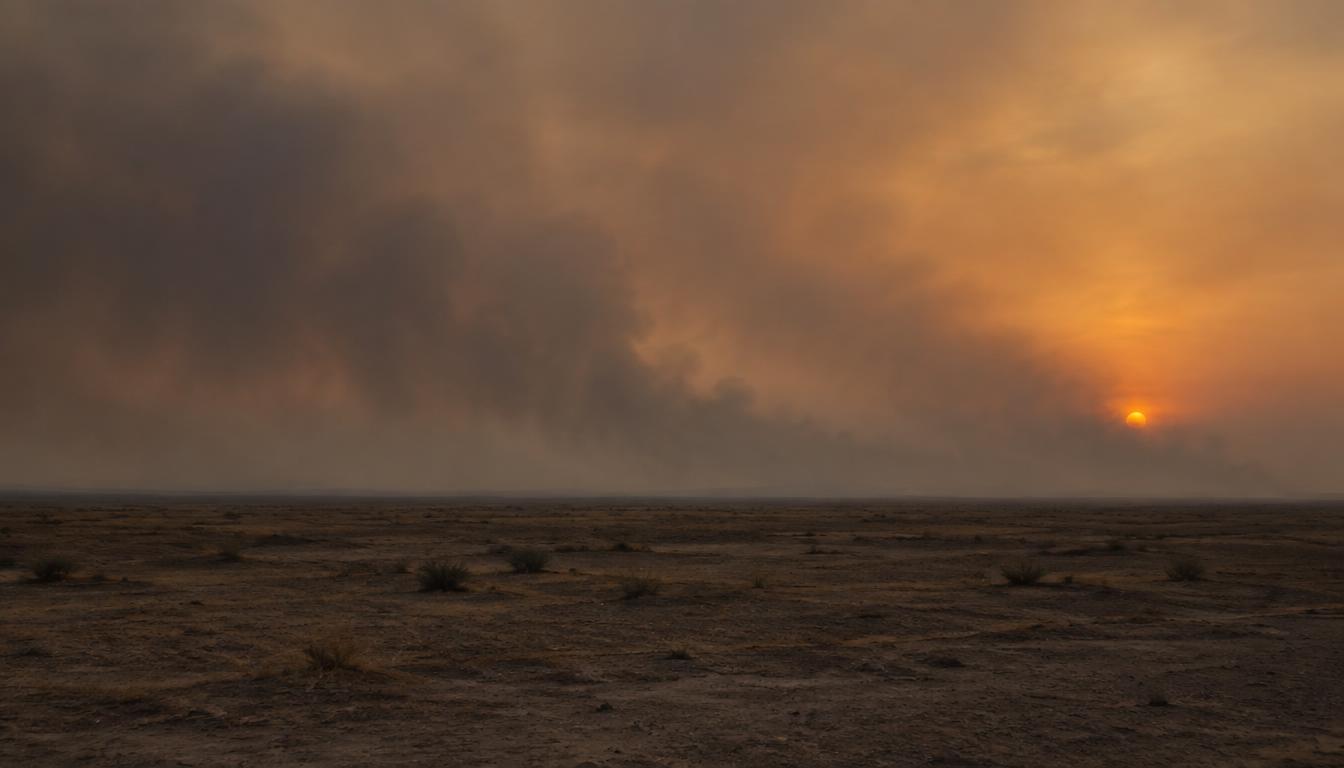

Open-air burn pits, sand and dust, and fuel and solvent fumes were a constant feature of deployments to Southwest Asia and later contingency operations. The PACT Act, signed in 2022, recognized that exposure by making a list of conditions presumptive for veterans with qualifying service.
This guide explains what the presumption does, which respiratory conditions are on the list, and what the claim looks like when a presumption is unavailable.
What a presumption actually does
A presumption removes one element of the claim. Where it applies, the VA presumes the in-service exposure and the medical link between exposure and condition. The veteran must still establish a current diagnosis and qualifying service.
That is why a presumptive claim can still be denied: not because the link was rejected, but because the diagnosis or the service dates and locations did not match.
Respiratory conditions on the presumptive list
The PACT Act added a set of respiratory conditions for veterans with qualifying burn pit and airborne hazards exposure. Among them:
- Asthma diagnosed after service
- Chronic rhinitis
- Chronic sinusitis
- Chronic bronchitis
- Emphysema
- Chronic obstructive pulmonary disease
- Granulomatous disease, interstitial lung disease, pleuritis, pulmonary fibrosis, and sarcoidosis
Qualifying service
Eligibility turns on where and when a veteran served. The VA publishes the covered locations and date ranges, which include Gulf War era service in Southwest Asia and post-9/11 service in a broader set of countries. Because the lists have been amended, the current VA page is the authoritative reference rather than any summary.
Veterans can also complete the VA's Airborne Hazards and Open Burn Pit Registry questionnaire, which documents exposure history.
Where veterans start
Every case is different, and there is no obligation at any step. When veterans want to understand what their records actually support, these are the two most common starting points:
- Medical records review
A licensed physician reviews your records for a $250 flat fee and identifies which conditions the available evidence may support. The fee is refunded in full if nothing supportable is identified.
- Nexus letter
When the records support one, a licensed provider writes the medical opinion that addresses the link between your respiratory condition and your service or an already service-connected disability.
When no presumption applies
Service outside the covered locations or periods does not end the claim. Direct service connection under 38 CFR 3.303 remains available where the evidence shows the condition was incurred in or caused by service, and 38 CFR 3.303(d) covers diseases first diagnosed after discharge.
In those cases the claim depends on a medical opinion that explains the exposure, the mechanism, and the timeline. Deck logs, unit histories, personnel records showing deployment locations, and buddy statements describing the exposure all become relevant.
Gulf War undiagnosed illness
38 CFR 3.317 provides a separate pathway for qualifying Persian Gulf veterans with chronic disability from an undiagnosed illness or a medically unexplained chronic multisymptom illness. Respiratory signs and symptoms are explicitly among the manifestations the regulation lists.
This route matters for veterans whose symptoms are well documented but have never resolved into a specific diagnosis.
How these claims are rated
A presumption establishes service connection; it does not set the evaluation. Asthma is still rated under Diagnostic Code 6602 on pulmonary function testing or medication requirements, and rhinitis and sinusitis under their own criteria. See asthma ratings and the C&P exam and rhinitis and sinusitis ratings explained.
Where veterans start
Whether a presumption applies, and what the file supports if it does not, is a records question. A paid medical records review answers it before a nexus letter is ordered.