
Guide series
Hip and Lower Leg: Complete VA Claims Guide Series
Plain-English guides to hip, thigh, and lower leg VA disability claims: service connection for hip pain, how the VA rates the hip under Diagnostic Codes 5250 through 5255, hip replacement under Diagnostic Code 5054, hip arthritis, shin splints and tibial stress injuries under Diagnostic Code 5262, hips secondary to the back and knees, the hip C&P exam, and the evidence each claim needs.
Overview
Start here: hip & lower leg basics.
The hip carries the load for everything above it, and military service loads it hard. Marching under weight, repeated jumps, running on pavement in issued boots, climbing in and out of vehicles, lifting, and falls all leave their mark on the hip joint, the thigh muscles, and the bones of the lower leg. Much of the damage is quiet for years and then shows up as stiffness, a limp, or a night of pain that will not settle.
The VA rates the hip under 38 CFR 4.71a, and those criteria are unusually strict about measured motion. A veteran can be in real pain, walk with a visible limp, and still receive a low percentage unless the file records the specific findings the rating schedule asks for.
These guides walk through the diagnostic codes, the theories of service connection that apply to hip and lower leg claims, and what a claim file actually has to contain.

Hip Pain and VA Disability: How Service Connection Works
How hip conditions are service connected, how the VA rates the hip under 38 CFR 4.71a, the direct and secondary paths, why measured motion decides the percentage, and where an independent medical opinion fits.
Read the main guideIn this series
Go deeper on your situation.
 11 min read
Hip VA Rating: Diagnostic Codes 5250 to 5255 Explained
A plain-English walk through the hip rating codes in 38 CFR 4.71a: ankylosis, limitation of flexion, extension, and abduction, flail joint, and femur impairment, and what the file has to record.
Read article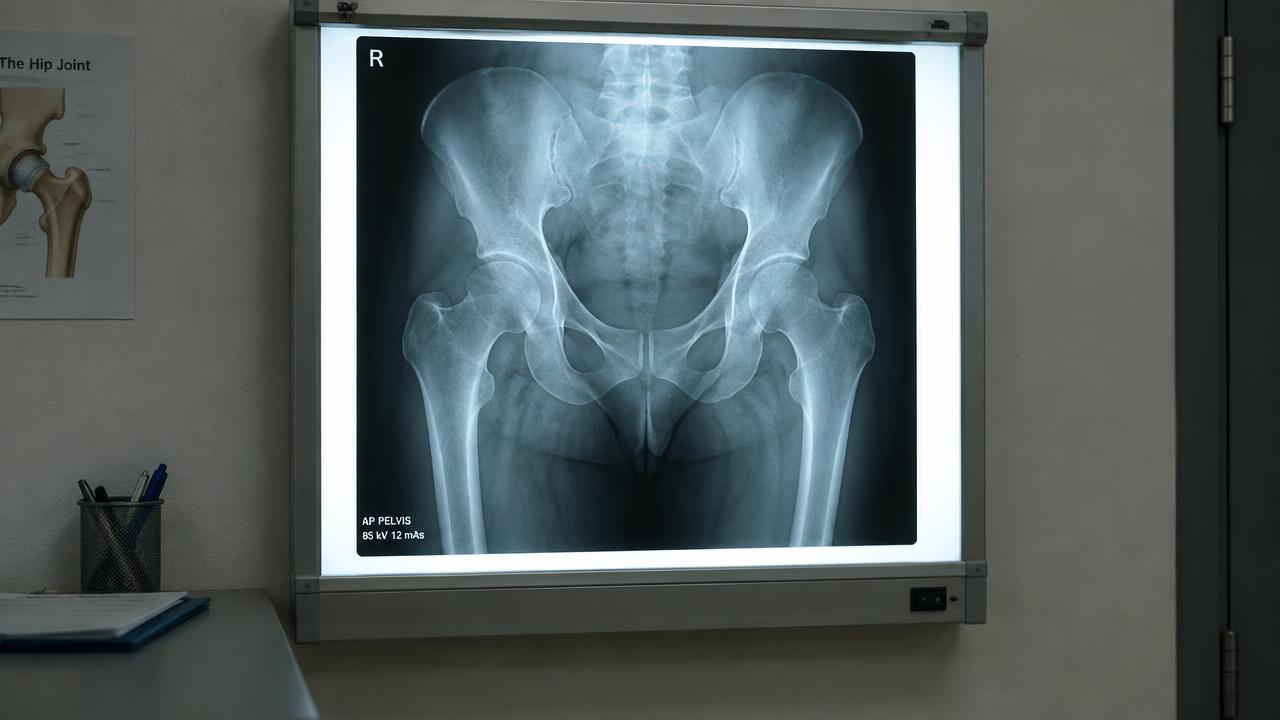 9 min read
Hip Replacement VA Rating: Diagnostic Code 5054 Explained
How the VA rates hip replacement under Diagnostic Code 5054: the 100 percent convalescent period, the 30 percent minimum, the higher levels, and what the record has to show.
Read article 10 min read
Hip Arthritis VA Rating: Degenerative Joint Disease Explained
How the VA rates hip osteoarthritis and degenerative joint disease, how Diagnostic Code 5003 works with the motion codes, what imaging has to show, and how to address the aging argument.
Read article 9 min read
Shin Splints VA Rating: Diagnostic Code 5262 Explained
How the VA rates shin splints and tibial stress injuries under Diagnostic Code 5262, what medial tibial stress syndrome has to show, and why so many of these claims are denied on the diagnosis element.
Read article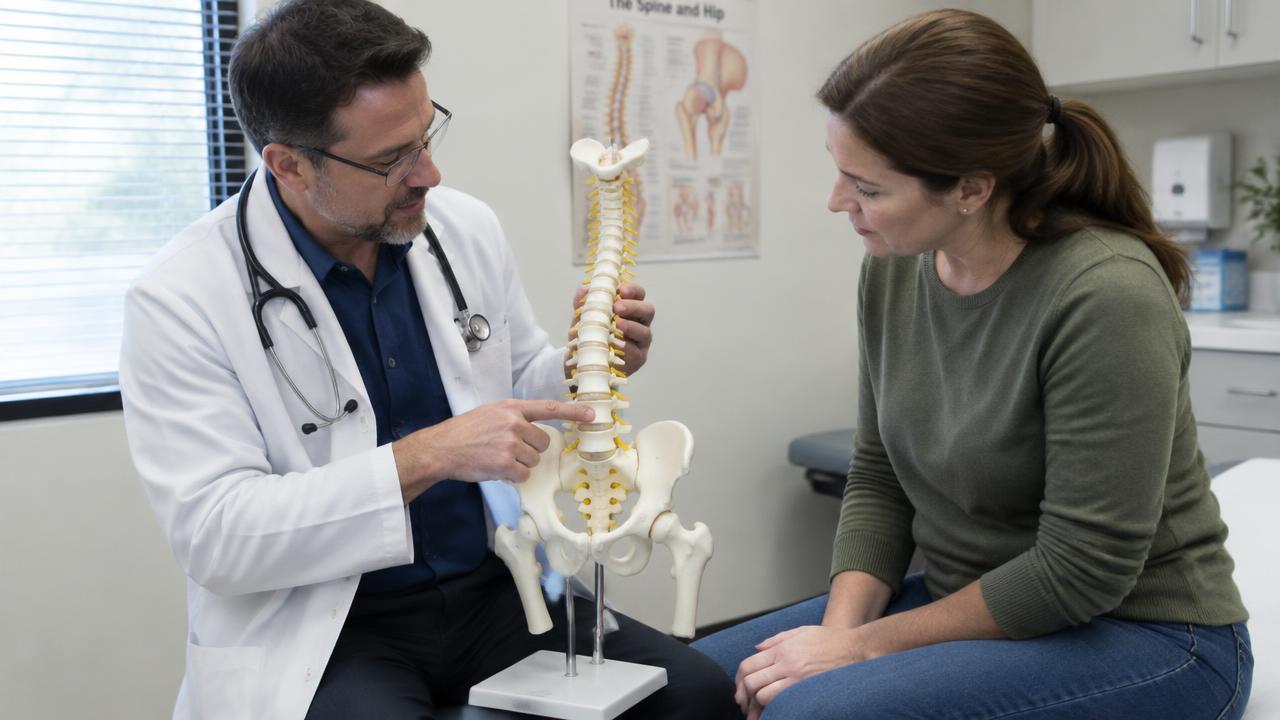 10 min read
Hip Conditions Secondary to Back and Knee Disabilities
How a hip condition caused or aggravated by a service-connected back, knee, ankle, or foot disability is service connected under 38 CFR 3.310, and what the medical opinion has to establish.
Read article 9 min read
The Hip C&P Exam: What to Expect and What Gets Measured
What happens at a VA hip compensation and pension exam, which measurements the examiner records, how repeated-use and flare-up testing works, and how to prepare honestly.
Read article 9 min read
Hip Claim Evidence: What Belongs in the File
A practical checklist for hip and lower leg VA claims: service records, imaging, treatment history, gait documentation, lay statements, and the medical opinion.
Read article
Talk with a real person about your case.
Call now - our team is happy to help.