
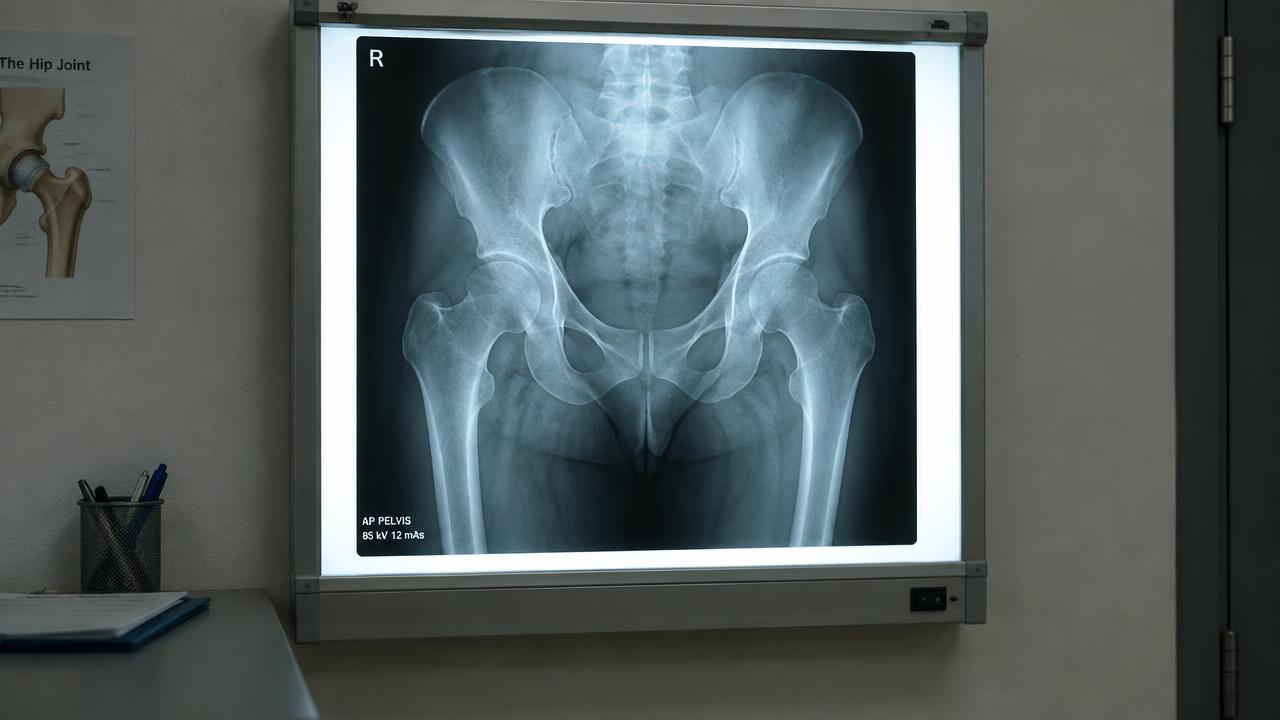

Hip replacement surgery is rated under its own code, Diagnostic Code 5054 in 38 CFR 4.71a, and the scheme is different from every other hip code. It does not begin with degrees of motion. It begins with a period at 100 percent and sets a permanent floor afterward.
This matters because veterans who had a replacement after separation often assume it ended any claim. It usually does the opposite: a prosthetic hip carries a guaranteed minimum evaluation once the underlying condition is service connected.
The 100 percent period
Following implantation of a hip prosthesis, Diagnostic Code 5054 provides a 100 percent evaluation for one year following the date the prosthesis was implanted, beginning after an initial period of surgical convalescence. This is a scheduled rating, not a temporary hardship award, and it should be applied automatically once the VA has the operative report.
Veterans who were already rated on motion before surgery frequently have to point the surgery out to the VA. An operative report and the implant date are what trigger it.
After the first year
Once the 100 percent period ends, the code sets three tiers.
- 70 percent for markedly severe residual weakness, pain, or limitation of motion following implantation of the prosthesis
- 50 percent for moderately severe residuals of weakness, pain, or limitation of motion
- 30 percent minimum rating, which applies no matter how well the replacement functions
The 30 percent floor is the important part. A veteran whose replacement worked beautifully still holds 30 percent, permanently, for that hip. A veteran with ongoing pain, a limp, weakness climbing stairs, or restricted motion should be evaluated for the 50 or 70 percent levels, and the evidence for that is clinical documentation of those residuals, not a description of them at a single exam.
Where veterans start
Every case is different, and there is no obligation at any step. When veterans want to understand what their records actually support, these are the two most common starting points:
- Medical records review
A licensed physician reviews your records for a $250 flat fee and identifies which conditions the available evidence may support. The fee is refunded in full if nothing supportable is identified.
- Nexus letter
When the records support one, a licensed provider writes the medical opinion that addresses the link between your condition and your service or an already service-connected disability.
Partial replacement and resurfacing
Diagnostic Code 5054 addresses hip replacement, and the VA has historically applied it to partial replacement as well when the head of the femur is replaced with a prosthesis. Resurfacing and revision procedures are evaluated on the residuals and, in the case of revision with a new prosthesis, a further convalescent period may apply.
Where a procedure does not fit the code cleanly, rating by analogy under 38 CFR 4.20 is the mechanism, and the operative report describing exactly what was implanted is the document that decides it.
Getting the underlying condition service connected first
A prosthesis is only rated once the hip condition that led to it is service connected. That is the real work in most of these claims. The path is the same one described in our hip pain and service connection pillar: a diagnosis, a credible in-service injury or repetitive stress, and a medical opinion connecting them.
Where the replacement followed years of degenerative change, the opinion usually has to address the natural aging alternative directly. Our guide to the at least as likely as not standard explains the level of certainty the VA actually requires, which is lower than most veterans assume.
Avascular necrosis and other paths to replacement
Avascular necrosis of the femoral head is a frequent reason for replacement in younger veterans, and it has its own service connection arguments including trauma, high-dose corticosteroid treatment for another service-connected condition, and in some cases decompression illness. Steroid-related cases are a secondary claim under 38 CFR 3.310; the reasoning is the same as in our secondary service connection guide.
Where to go next
For the motion-based codes that apply before replacement, see the hip rating code guide. For claims where the hip followed a back or knee condition, see hip secondary to back and knee. The evidence guide covers what the file needs in either case.