
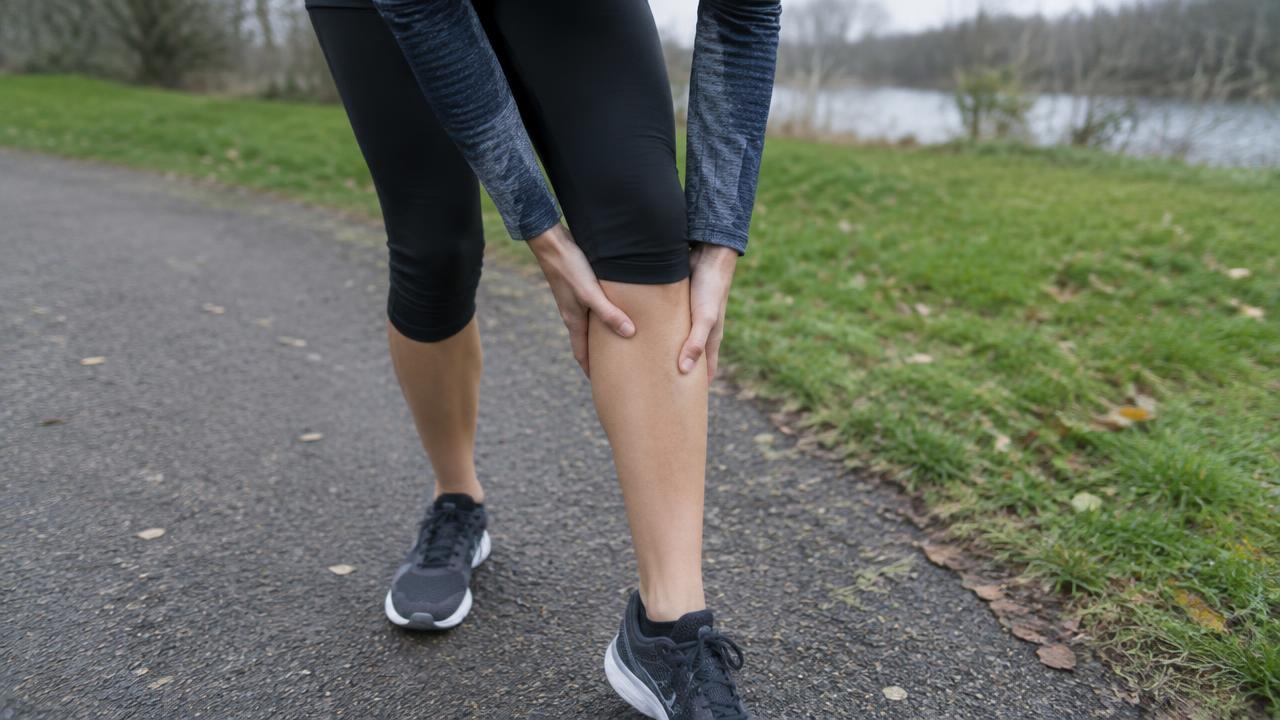

Shin splints, known clinically as medial tibial stress syndrome, is one of the most widely experienced and most poorly documented service injuries. Nearly everyone who ran in boots on pavement had them. Almost nobody went to sick call, because shin splints were treated as part of training rather than an injury.
That gap between how common the condition is and how rarely it appears in service records is the reason these claims are denied, and it is also the reason they are winnable when the file is built properly.
How the VA rates shin splints
Shin splints are rated under Diagnostic Code 5262 in 38 CFR 4.71a, which covers impairment of the tibia and fibula. The rating criteria are written around nonunion and malunion of those bones, with ratings tied to the resulting knee or ankle disability.
In practice the VA evaluates shin splints on the residual functional impairment of the affected leg, considering how the condition limits knee and ankle function, whether it requires a brace, and whether it limits weight-bearing activity. Where motion is not limited enough to compensate on its own, 38 CFR 4.59 still requires the minimum compensable rating for actually painful motion, and 38 CFR 4.40 requires the rating to account for functional loss.
What Diagnostic Code 5262 actually says
The code assigns ratings for malunion of the tibia and fibula producing slight, moderate, or marked knee or ankle disability, and a high evaluation for nonunion with loose motion requiring a brace. Bilateral shin conditions are rated separately for each leg and then combined under 38 CFR 4.25.
Because the descriptive terms - slight, moderate, marked - are not defined in degrees, the clinical record carries the weight. Documentation of pain on palpation along the medial tibial border, pain with weight-bearing activity, restricted walking or standing tolerance, and any prescribed orthotics or activity modification is what moves a rating from slight to moderate.
Why these claims get denied
The overwhelming majority of shin splint denials cite the absence of a current diagnosis, not the absence of service records. Veterans file describing shin pain, attend an exam, and the examiner writes that no current chronic disability is shown.
The fix is clinical: get evaluated before or while the claim is pending, get the diagnosis written down, and get imaging where it is indicated. Bone scan or MRI can distinguish medial tibial stress syndrome from a tibial stress fracture, and a documented stress fracture is a far stronger claim. Our guide to why VA claims get denied explains how to read a denial for the element that actually failed.
Where veterans start
Every case is different, and there is no obligation at any step. When veterans want to understand what their records actually support, these are the two most common starting points:
- Medical records review
A licensed physician reviews your records for a $250 flat fee and identifies which conditions the available evidence may support. The fee is refunded in full if nothing supportable is identified.
- Nexus letter
When the records support one, a licensed provider writes the medical opinion that addresses the link between your condition and your service or an already service-connected disability.
Evidence that carries weight
The in-service element is often established by duty history rather than treatment records.
- Personnel records and duty descriptions showing running, road marching, and load-bearing requirements
- Physical fitness test records showing the running requirement over your period of service
- Buddy statements from people who ran with you and can describe the shin pain, the limping after formation runs, and the icing
- Any sick call entry, profile, or limited-duty chit mentioning leg or shin pain, however brief
- Current imaging and a current clinical diagnosis, which is the element most often missing
Related conditions
Shin splints rarely travel alone. Chronic exertional compartment syndrome, tibial stress fractures, plantar fasciitis, and ankle conditions come from the same loading pattern, and an altered gait over years can load the knee and hip as well. Our feet and lower legs series covers plantar fasciitis and the ankle rating guide, and our hip pillar covers what happens further up the chain.
Where to go next
Read the C&P exam guide before your exam, and the evidence guide for the full checklist. If the pain has spread to other joints, secondary service connection explains how those claims work.