

Back claims are decided on the completeness of the file more than on the severity of the pain. Two veterans with identical conditions can receive different outcomes because one record documents function and the other documents only complaints.
This guide covers what to gather. For the underlying rules, see how back pain service connection works and the ratings guide.
Imaging and the diagnosis
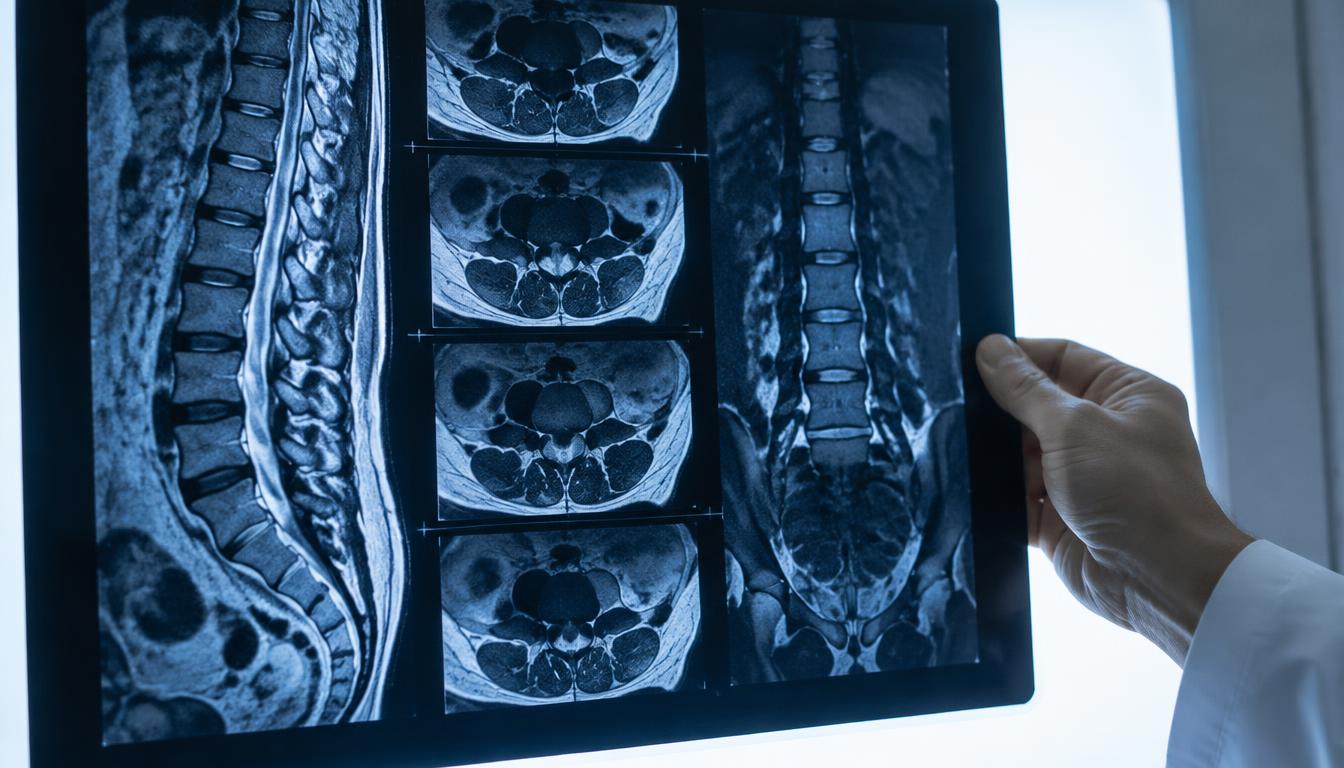
A named diagnosis is the foundation. X-rays establish degenerative changes and alignment; MRI shows disc pathology, stenosis, and nerve root involvement. The radiology report matters more than the images themselves, because it states findings in the terms a rater and an examining clinician can use.
- Radiology reports, not just the disc or image files
- Any imaging from the year after separation
- Electromyography or nerve conduction studies where performed
- Surgical or injection records, including epidural steroid injections
Range of motion and functional findings
Because the rating formula is built on degrees of motion, any record containing measured range of motion is valuable - physical therapy evaluations and orthopedic notes often contain measurements that no one has submitted. Notes describing muscle spasm, guarding, localized tenderness, and gait abnormality map directly onto the rating criteria.
Treatment history over time
The chronology establishes chronicity. Useful sources include service treatment records and the separation physical, VA treatment records, private primary care and orthopedic records, chiropractic and physical therapy records, urgent care visits, and employer or workers' compensation physicals.
Prescribed bed rest is worth flagging specifically: the incapacitating-episodes formula for intervertebral disc syndrome counts only bed rest prescribed by a physician.
Where veterans start
Every case is different, and there is no obligation at any step. When veterans want to understand what their records actually support, these are the two most common starting points:
- Medical records review
A licensed physician reviews your records for a $250 flat fee and identifies which conditions the available evidence may support. The fee is refunded in full if nothing supportable is identified.
- Nexus letter
When the records support one, a licensed provider writes the medical opinion that addresses the link between your spine condition and your service or an already service-connected disability.
Lay statements
A veteran can describe the injury, the duties, and the symptoms. Others can describe what they observed. These statements are most useful when they are specific - dates, tasks that had to be given up, jobs that were changed - rather than general assertions of severe pain.
Where service records are silent, lay evidence does substantial work. See back pain claims with no in-service complaints.
Where back records commonly fall short
The same gaps recur:
- No records from the year after separation
- No measured range of motion anywhere in the file
- Flare-ups described verbally but never documented in a treatment note
- Radicular symptoms mentioned without neurological testing
- Private records the VA never obtained because they were not submitted
- A secondary theory with no opinion connecting it to the service-connected condition
The medical opinion
When the contested element is the connection to service rather than the severity, a reasoned medical opinion is the evidence that speaks to it. A useful opinion reviews the actual records, identifies the mechanism, addresses competing causes such as age and civilian work, and reaches a conclusion under the at-least-as-likely-as-not standard when the evidence supports one.
A paid medical records review is where that starts - a licensed physician reviews what you have and identifies what it may support before a nexus letter is ordered. Related theories are covered in our guides on knee and leg conditions, mental health, and radiculopathy.