
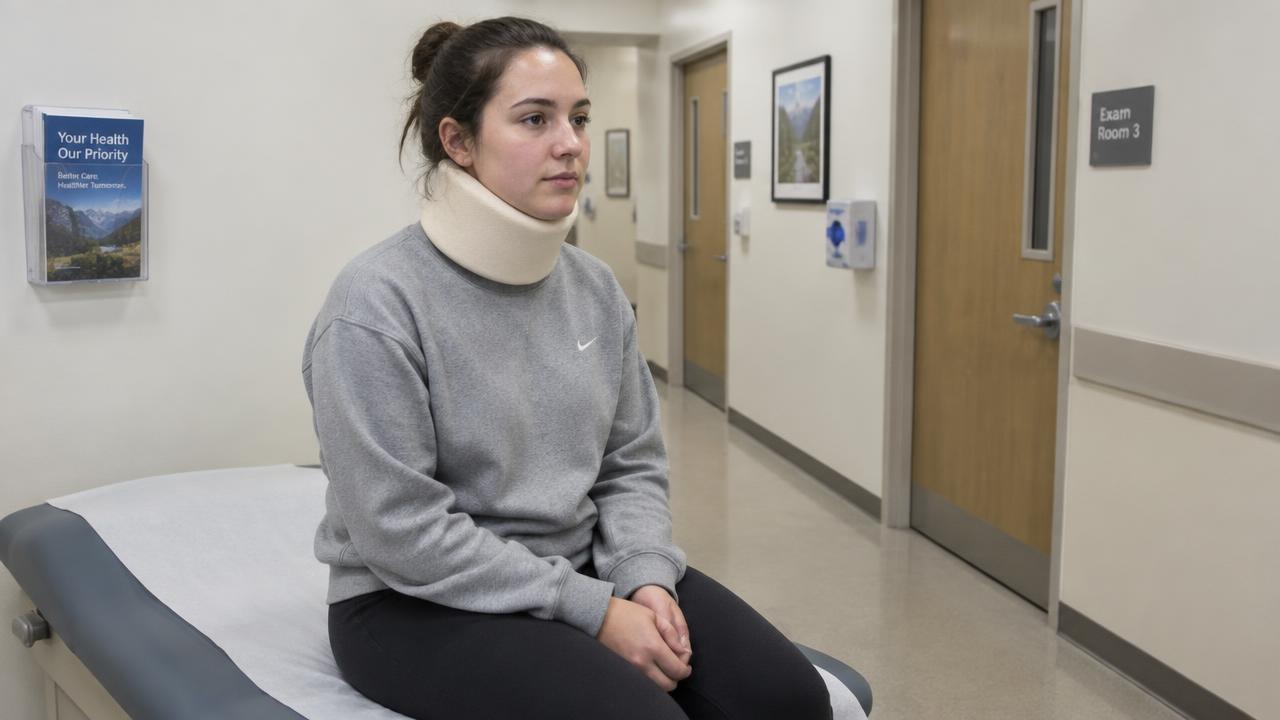

For most neck claims, the compensation and pension exam is where the rating is decided. The measurements the examiner records go directly into the General Rating Formula, and a short appointment on a good day can set a percentage that stays in place for years.
Knowing what is measured makes it easier to describe the condition accurately - which is the goal, rather than exaggeration.
What the examiner does
The exam generally follows the cervical spine questionnaire the VA uses for these conditions.
- Reviews the claims file and asks about onset, history, and treatment
- Measures forward flexion, extension, lateral flexion, and rotation with a goniometer
- Repeats the motion testing to capture loss after repetitive use
- Checks for muscle spasm, guarding, localized tenderness, and spinal contour
- Tests strength, sensation, and reflexes in both arms for nerve involvement
- Asks about flare-ups: frequency, duration, and what function is lost during them
- Asks about any physician-prescribed bed rest in the past 12 months
Describing flare-ups accurately
Flare-ups are the part of the exam most often recorded poorly, usually because the question comes at the end and the answer is vague. Specifics carry the weight: how often the flare happens, how long it lasts, how much motion is lost during it, and what you cannot do while it lasts.
"A couple of times a month, three or four days each, I can't turn my head far enough to back out of the driveway and I sleep in a recliner" tells the rater something the word "sometimes" does not.
Where veterans start
Every case is different, and there is no obligation at any step. When veterans want to understand what their records actually support, these are the two most common starting points:
- Medical records review
A licensed physician reviews your records for a $250 flat fee and identifies which conditions the available evidence may support. The fee is refunded in full if nothing supportable is identified.
- Nexus letter
When the records support one, a licensed provider writes the medical opinion that addresses the link between your condition and your service or an already service-connected disability.
Answer for your average day, not your best one
Veterans often schedule the exam for a morning when they feel able to travel, then describe that morning. The rating should reflect the disability picture over time, including the bad days. Describe the range your neck has on an ordinary day and say plainly what changes during a flare.
38 CFR 4.40 requires functional loss from pain, weakness, and fatigability to be considered, but the examiner can only consider what is described and recorded.
Before the exam
Bring a short written summary of onset, treatment, current symptoms, and flare frequency, and give a copy to the examiner. Make sure private treatment records are in the file first - the examiner reviews the file, and evidence that never reached it cannot be considered.
Our records guide covers what belongs in the file, and our guide to the C&P exam versus an independent medical opinion explains how the two pieces of evidence are weighed against each other.
Frequently asked questions
What happens at a neck C&P exam?
The examiner reviews the file, asks about history and symptoms, measures cervical range of motion with a goniometer, tests strength, sensation, and reflexes in the arms, checks for muscle spasm and guarding, and records functional loss after repetitive use and during flare-ups on the cervical spine questionnaire.
Should I push through the pain at the exam?
No. Under 38 CFR 4.59, the point at which pain begins during motion is the measurement that matters. Say when pain starts and stop there rather than forcing motion past it, because forcing it records a range you cannot actually use.
Is a C&P exam the same as a nexus letter?
No. A C&P exam is a VA-arranged examination that produces the examiner's opinion for the file. A nexus letter is an independent medical opinion the veteran obtains and submits as evidence. Our guide comparing the two explains how each is weighed.