
Guide series
TMJ and Jaw Conditions: Complete VA Claims Guide Series
Plain-English guides to temporomandibular joint and jaw VA disability claims: service connection for TMJ disorder, how the VA rates the jaw under Diagnostic Code 9900, bruxism and teeth grinding, TMJ secondary to PTSD and tinnitus, jaw fractures and residuals, the TMJ C&P exam, the evidence each claim needs, and the difference between VA dental care and disability compensation.
Overview
Start here: tmj & jaw basics.
The temporomandibular joint is the hinge that lets you eat, speak, and yawn, and it takes a beating in service. Blows to the face, falls, vehicle accidents, ill-fitting protective gear worn for hours, and years of clenching under stress all load the joint and the muscles around it. Many veterans leave service with clicking, locking, morning jaw pain, and headaches that they never connect to their time in uniform.
The VA rates temporomandibular disorders under 38 CFR 4.150, and the criteria turn on measured jaw opening and dietary restriction rather than on pain alone. A veteran with severe daily pain can still receive a low percentage unless the file records the specific findings the rating schedule asks for.
These guides walk through the diagnostic code, the theories of service connection that apply to jaw claims including secondary service connection, and what a claim file actually has to contain.

TMJ and VA Disability: How Service Connection Works
How temporomandibular joint disorders are service connected, how the VA rates the jaw under 38 CFR 4.150 and Diagnostic Code 9900, the direct and secondary paths, why measured jaw opening decides the percentage, and where an independent medical opinion fits.
Read the main guideIn this series
Go deeper on your situation.
 10 min read
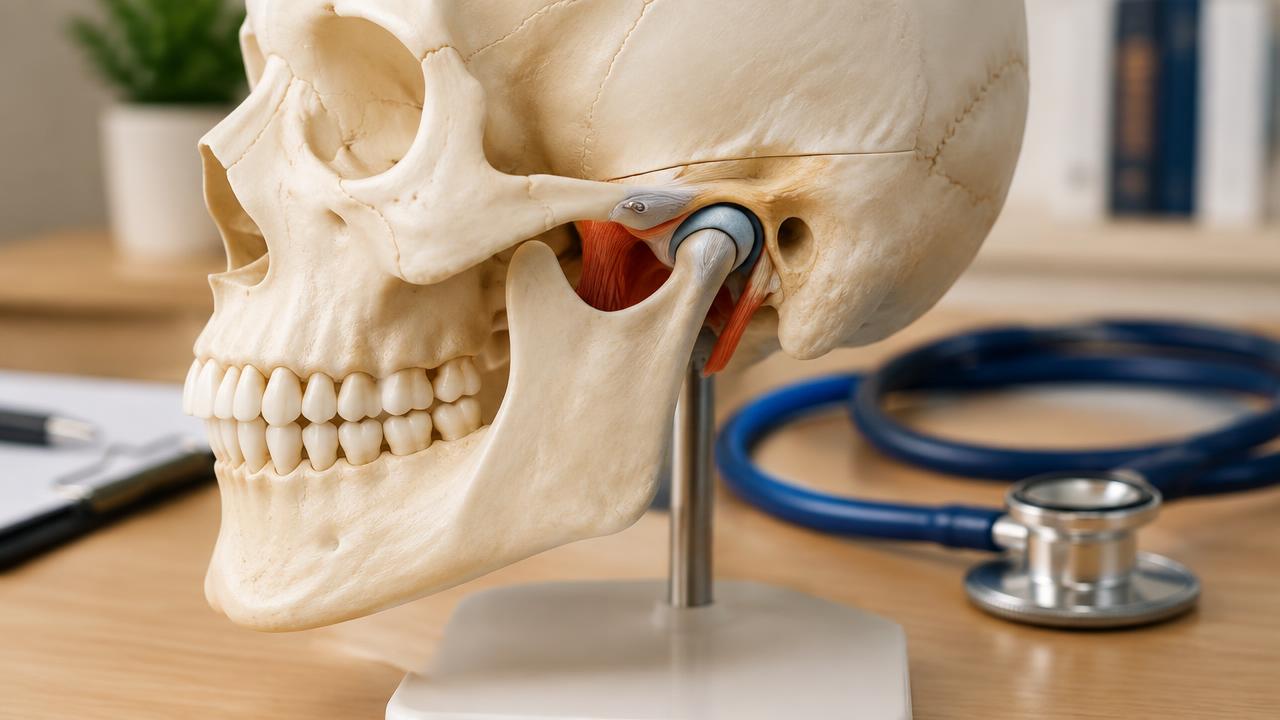
TMJ VA Rating: Diagnostic Code 9900 Explained
A plain-English walk through Diagnostic Code 9900 in 38 CFR 4.150: how jaw opening is measured, the 10 to 50 percent levels, the dietary restriction tiers, and what the file has to record.
Read article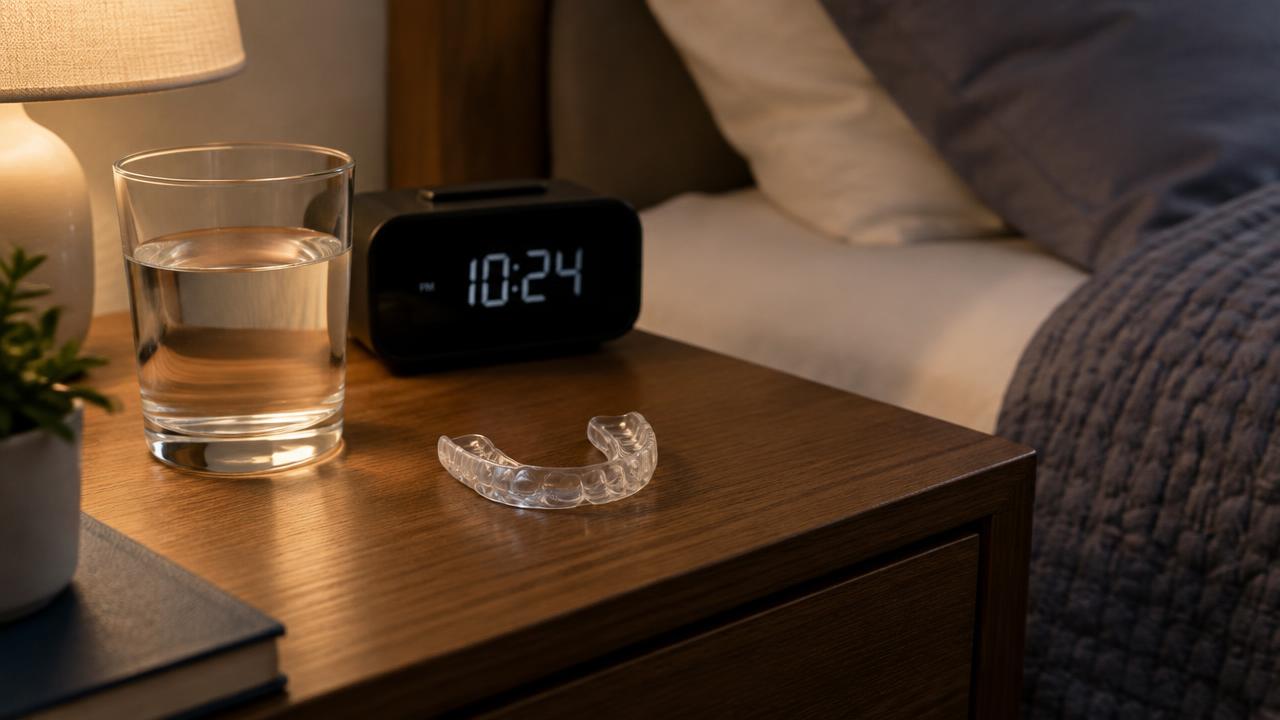 10 min read
Bruxism VA Rating: How Teeth Grinding Fits a VA Claim
Why bruxism has no VA diagnostic code of its own, how it is claimed through TMJ disorder or as secondary to PTSD and other service-connected conditions, and the dental evidence that proves it.
Read article 11 min read
TMJ Secondary to PTSD, Tinnitus, and Other Conditions
How TMJ disorder is service connected secondary to PTSD, anxiety, tinnitus, and sleep apnea under 38 CFR 3.310, what the medical opinion must explain, and the mistakes that sink these claims.
Read article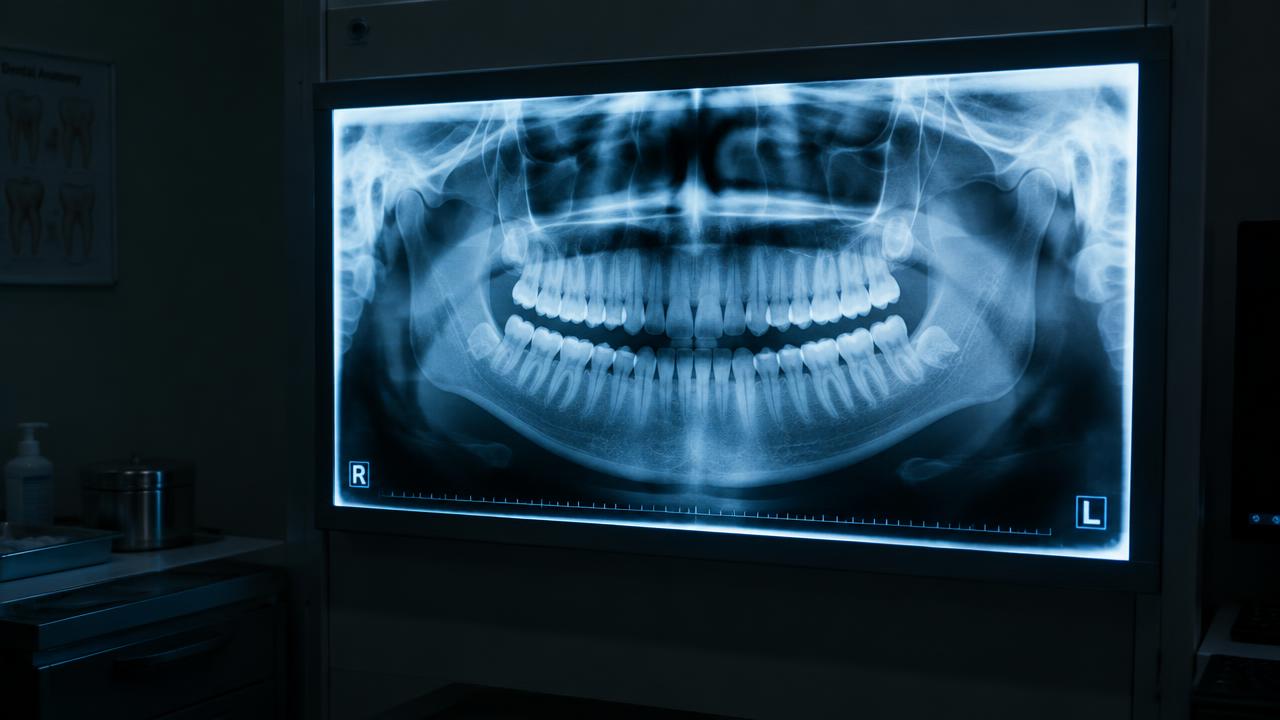 9 min read
Jaw Fracture and Facial Injury VA Ratings: Codes 9902 to 9904
How the VA rates residuals of mandible and maxilla fractures, dislocation, and bone loss under Diagnostic Codes 9902 through 9904 in 38 CFR 4.150, and what the records have to show.
Read article 10 min read
The TMJ C&P Exam: What to Expect and What Gets Measured
What happens at a VA TMJ compensation and pension exam: the jaw opening and lateral excursion measurements, the dietary questions, the Dental and Oral Conditions DBQ, and how to prepare.
Read article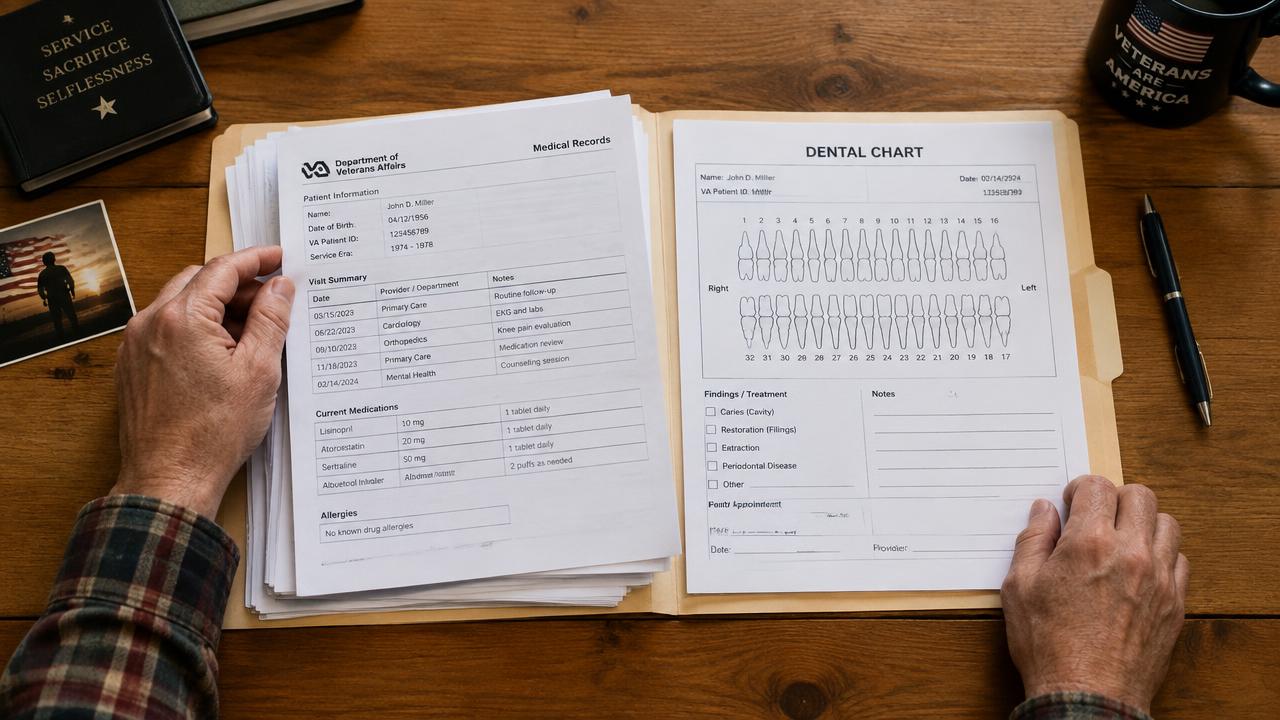 11 min read
TMJ Claim Evidence: What Belongs in the File
The records and statements that decide TMJ and jaw VA claims: diagnosis, in-service documentation, dental records, night guard and treatment history, dietary restriction, lay statements, and the medical opinion.
Read article 9 min read
VA Dental Benefits vs Disability Compensation: The Difference
VA dental care eligibility and dental disability compensation are separate systems. Who qualifies for VA dental treatment, which dental conditions are compensable, and how a TMJ rating fits both.
Read article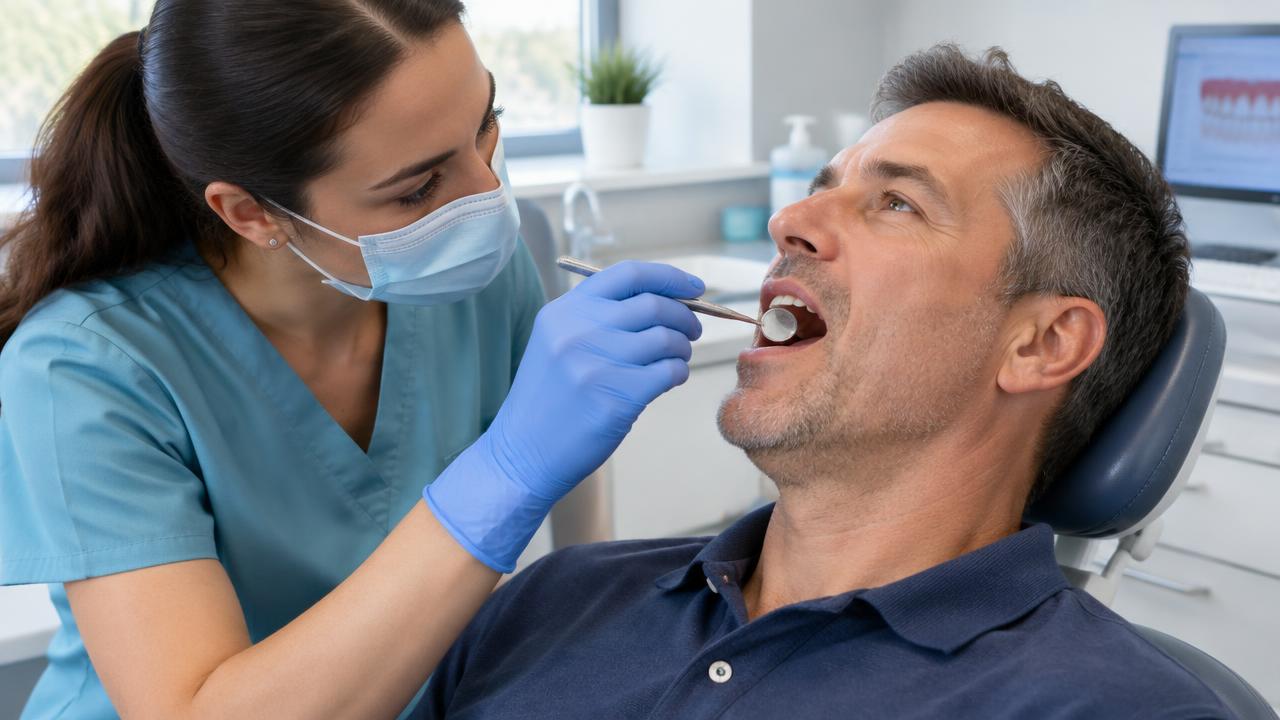 10 min read
Periodontal Disease and VA Claims: What Is Compensable and What Is Not
Gum disease is generally treatable rather than compensable, but the bone loss and tooth loss it causes can be rated. How 38 CFR 3.381 and Diagnostic Code 9913 work, and where secondary service connection fits.
Read article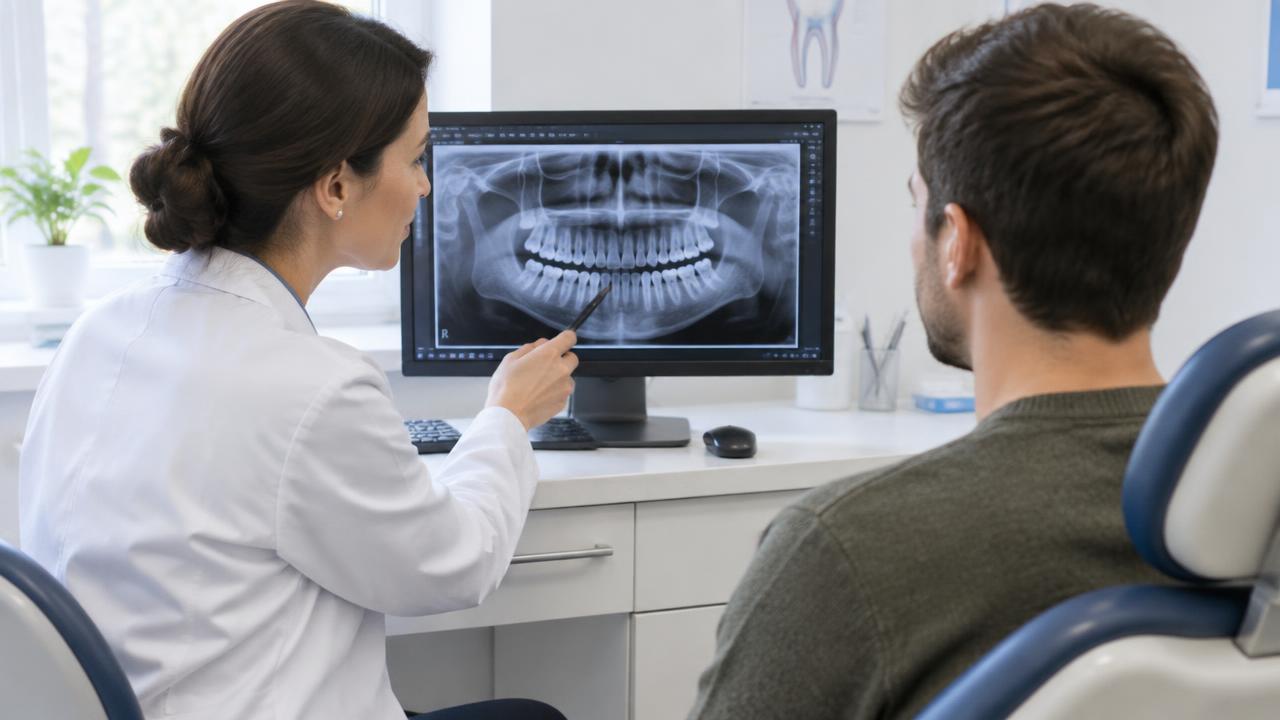 11 min read
Tooth Loss VA Rating: Diagnostic Code 9913 and Medication-Related Decay
How the VA rates lost teeth under Diagnostic Code 9913, why the cause of the loss decides everything, and how decay driven by medications for service-connected conditions is claimed as secondary.
Read article 11 min read
Bruxism Secondary to PTSD: Building the Claim
How teeth grinding linked to service-connected PTSD or anxiety is claimed under 38 CFR 3.310, what the medical opinion has to explain, and which dental and sleep records carry the claim.
Read article
Talk with a real person about your case.
Call now - our team is happy to help.