

A documented jaw fracture in service is one of the strongest foundations any claim in this series can have. The in-service event is on paper, the injury is objective, and the residuals - limited motion, malunion, chronic pain, tooth loss - are rated under the dental and oral conditions codes of 38 CFR 4.150.
These claims still get under-rated, usually because the rating focuses on the healed bone and misses the functional residuals.
The common in-service injuries
Jaw and facial fractures in service come from the predictable sources: vehicle and motorcycle accidents, falls from height or on obstacle courses, assaults and combatives training, sports injuries, and blast exposure. What matters for the claim is that the event appears in service treatment records, line-of-duty documentation, or credible buddy statements, and that current imaging or examination shows residuals.
Diagnostic Code 9902 - Mandible, loss of
Loss of portions of the mandible is rated by how much of the ramus, condyle, or body of the jawbone is lost, with ratings running from 10 percent for loss of less than half of the ramus or condyle up to 50 percent or higher for extensive bilateral loss. This code applies after gunshot wounds, blast injuries, and surgical resections - rare, but the highest-rated structural jaw condition.
Diagnostic Code 9903 - Mandible, nonunion or malunion
This is the code most fracture claims land on. Nonunion of the mandible with severe displacement rates 30 percent, moderate displacement 20 percent. Malunion of the mandible rates 10 percent with moderate displacement or 20 percent with severe displacement. Malunion of the maxilla runs 0 to 10 percent depending on displacement.
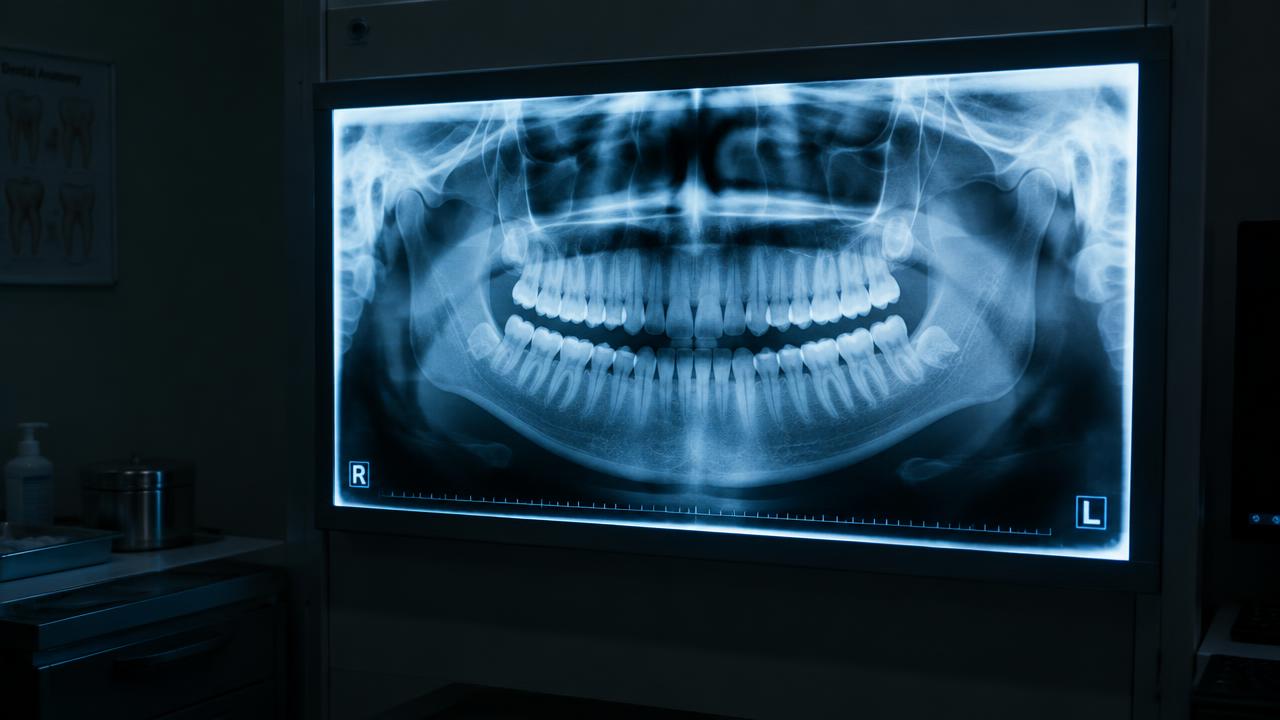
The operative word is displacement, and displacement is shown on imaging. A panoramic X-ray or CT demonstrating that the healed segments sit out of alignment is the evidence this code runs on.
Where veterans start
Every case is different, and there is no obligation at any step. When veterans want to understand what their records actually support, these are the two most common starting points:
- Medical records review
A licensed physician reviews your records for a $250 flat fee and identifies which conditions the available evidence may support. The fee is refunded in full if nothing supportable is identified.
- Nexus letter
When the records support one, a licensed provider writes the medical opinion that addresses the link between your condition and your service or an already service-connected disability.
Diagnostic Code 9904 - Temporomandibular joint and mastication
Chronic dislocation or recurrent dislocation of the jaw, and certain other joint impairments following trauma, are rated here or under Diagnostic Code 9900 depending on the presentation. The rater selects the code that best captures the dominant disability, and under 38 CFR 4.14 you are not rated twice for the same limitation.
Tooth loss from trauma
Unlike ordinary dental disease, loss of teeth due to loss of substance of the body of the maxilla or mandible in service can be service connected for compensation purposes. The distinction matters: a tooth knocked out when your jaw broke is not the same as a tooth pulled for decay. The fracture records and the extraction records together establish it.
Scars and nerve residuals
Facial fractures often leave facial scars and sometimes damage the inferior alveolar or mental nerve, producing numbness of the lip and chin. Scars are rated separately under the skin codes - our skin conditions series covers them - and nerve damage is rated under the cranial nerve codes. These are separate ratings that stack with the jaw rating, and they are commonly missed.
Where to go next
If your fracture residuals include limited opening, read the Diagnostic Code 9900 guide. The pillar guide covers the full claim structure, and the evidence guide lists what the file needs.